My House Burned Down. Now What?
What to do after a house fire
If your house burned down in a wildfire, you may be facing significant emotional and financial stress, not to mention a life that is completely disrupted. This step-by-step guide will help you deal with what happens when your house burns down and all of the details to handle.What to Do After a House Fire
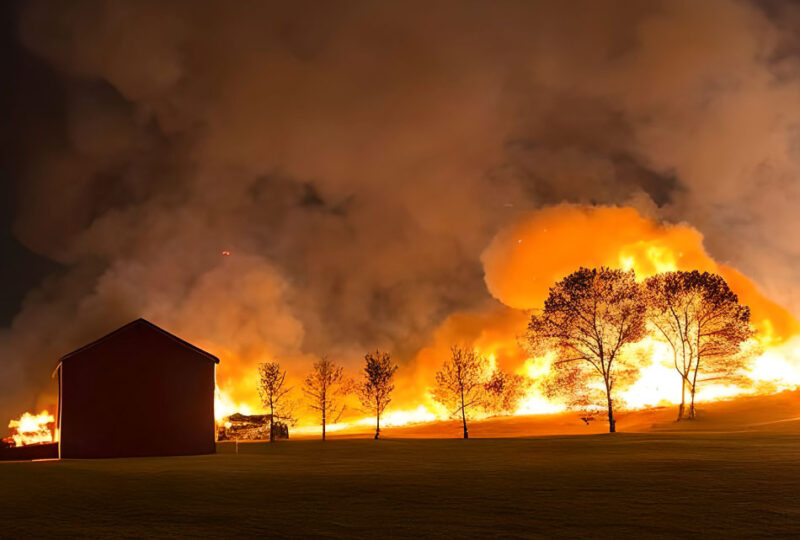
While preparation is vital, particularly if your home is at risk of a wildfire, you may still suffer a loss. You might already have taken steps to fire harden your home and establish an effective evacuation plan, but are you really prepared to deal with the aftermath?
Getting through the red tape can be daunting. In the nine months after the 2025 Los Angeles fires, only 1,564 rebuilding applications have been filed. More than six years after the Malibu wildfire in California, many residents still cannot rebuild. The situation is no better in Boulder, Colorado, where the Marshall fire decimated large areas. Only two-thirds of residents have been able to rebuild.
When a fire has burned down your house, what you do next can help you and your family recover faster.
You may have questions about what to do after a house fire. In a wildfire aftermath, in particular, dangers may still be present. This article will cover what happens when your house burns down, what dangers to look out for, and how to proceed with fire damage cleanup and post-wildfire recovery.
Here’s everything you should know about what to do after a house fire.
Steps you can take immediately after a house fire
Knowing what to do after a house fire will help you deal with the trauma of your loss. When you are in control and can effectively deal with the financial pressures, you will feel less stress and can start the healing process.
Here are some tips that can help you move ahead quickly —financially, physically, and emotionally. You aren’t just rebuilding a house. You are recovering your home and your life. These tips are useful for any house fire, not just in the aftermath of a wildfire.
- Stay safe first. Your priority is the well-being of you and your loved ones. Wait for the local fire authorities to give you clearance before you return. Entire neighborhoods can be unsafe after a wildfire. The area around a burned-down house is often hazardous. And even if your home looks okay, fire can weaken structures, toxic fumes and materials may be inside, and hidden hazards often remain.
- Give first aid. If you, a family member, or a neighbor is injured, the faster they get treatment, the better. You don’t want cuts to get infected or lungs damaged by smoke inhalation to become inflamed and progress to respiratory distress.
- Let your friends and family know you’re safe. Ease the worries of loved ones who may suffer if they don’t hear from you. Let everyone know you’re safe. Not only do you provide peace of mind, but you also free up first responders to tend to people who really need help.
- Take care of your family and pets. Take care of yourself first, so that you can be more useful to others. Make sure that every member of your family is accounted for and uninjured, including pets.
- Recognize emotional trauma. Fear, disorientation, and grief about your loss are normal. You, your family, and even your pets may suffer. Feelings sometimes come all at once, sometimes in waves, and sometimes long after the fire. Even if you feel like everyone is handling it, early counseling can help everyone through the emotional aftermath that follows a burned-down house.
- Reach out for help. You are not alone. Government organizations, charities, community groups, and religious organizations offer food, clothing, medicine, a place to stay, and help dealing with other aspects of the fire aftermath. Accepting help is a strength, not a weakness.


What to do if you lost your house
The pain you feel when you realize your house has been burned down can be overwhelming. Take things step by step to start regaining control to rebuild and heal.
- Wait for officials to confirm it’s safe to enter. Safety is your first priority. After a fire, hidden dangers from weakened structures, lingering toxic fumes and hazardous materials often remain. Have a fire professional or local authority clear you to enter.
- Find temporary shelter with family, friends, or aid groups. Your home insurance policy may help pay for temporary living costs. Keep receipts so that you can get reimbursed for the stay and can deduct it from your taxes.
- Reach out to the Red Cross or local relief organizations. Relief services can do more than give you a warm meal and a place to stay. They can connect you with specialists who can help you through the legal and financial issues that result from a house fire.
- Contact your insurance company to start a claim. Start your claim early to improve your chances of getting a faster payout. Your insurance agent can also connect you with trusted contractors and specialists in house fire cleanup work. They can guide you through what to do after a house fire.
- Request the fire report from the fire department. Having an official record on hand makes filing your insurance claim easier. Keep a record of this report with your important documents.
- Recover your belongings and document damages once the site is cleared. Take a complete inventory of what you lost. It makes sense to document and photograph your belongings, noting when they were purchased and their value before you suffer a loss. If you haven’t done so, your insurance policy should still pay to replace some or all of your personal belongings destroyed in the fire. Take pictures of the damaged items as you conduct an inventory.
Do you have to rebuild your house if it burns down?
The short answer is no, you don’t have to rebuild your house if it burns down. You have the option of using your insurance payout to buy a new home.
Rebuilding or starting fresh is an individual decision. There’s the cost of moving and starting life in a new place, and then there’s the cost of repairing or rebuilding after a fire. However, it isn’t just about the money.
It’s also about the time and disruption involved in removing debris, mitigating mold, and dealing with building permits, architects, and contractors. The cost of building materials and labor goes up after a fire. And you’ll need to meet the latest fire codes.
If your coverage is a replacement cost value policy, these expenses are probably covered. If you have an actual cash value policy, the cost of clean up may exceed the value of your policy, forcing you to pay for significant recovery expenses out of pocket.

What happens to your mortgage if your house is destroyed?
If your house burns down, do you still pay the mortgage? Generally, yes, you keep paying. While you can take your insurance payout and move to a new house, you still have to pay off your mortgage on the house that burned down. You may be able to sell your property for enough money to pay off your mortgage on the burned house, but there are no guarantees.
If you decide to rebuild, you continue paying your mortgage while your home is under construction or renovation.
Your insurance policy may cover your mortgage payments during this period. Some lenders offer mortgage forbearance, which is a temporary pause in required payments due to hardship, such as when your house is burned down. Your lender may modify your loan terms, such as lowering your interest rate or extending the length of your loan to reduce the monthly payments. You might be able to re-amortize your loan based on your current balance.
Contact both your insurance company and mortgage company right away to see what options are available. You’ll have more flexibility and peace of mind to make the best choices as you rebuild your life.
If your house burns down, do you still own the land?
Fire may destroy your home, but it doesn’t destroy your property rights. You still own your land after a wildfire. Your property rights can be your foundation for rebuilding, selling, or starting new somewhere else. If you have a mortgage, you will still have to continue making payments. Your ownership, however, gives you options and control over your next steps.
How long does it take to rebuild after a wildfire?
It can take years to rebuild after a wildfire. Debris removal and the house fire clean-up aren’t just for your house, but for a neighborhood or whole town. Many people may file permits at once, overwhelming the system. You’ll be competing with everyone else for contractors and building materials. If you don’t have enough insurance, your situation can be even worse.
When rebuilding, make the investment worthwhile by constructing a fire-resistant house. The right designs and materials make your house more resistant to wildfire. Consider putting in an automated home defense system.
When can you return home after a fire?
Many people feel a mix of dread, hope, and anxiety when coming home after a fire. Realize that it can take days or weeks before you can return.
While you may want to rush back, wait until officials confirm the area is safe to reenter. You may wish to have a fire professional inspect your house before you go inside. Even if it is still standing, toxic fumes, debris, and unstable structures create hazards.
Returning home after a wildfire can be an emotional experience. You may not know what to expect, how damaged your home may be, or if your home is still standing.
You can gain control of your emotions when you prepare yourself for what you might have to face.


Returning home after a wildfire
Once you can go back home, take extra care on your journey. You may need to navigate through downed trees and powerlines, fallen rocks and broken-up roadways. Streets might be closed and traffic signals might be out. Keep an eye out for people who need help and watch out for pets and wildlife on the roads. Be prepared to be shocked at what you see in your town or neighborhood. Caution, compassion, and a bit of courage will get you through.
Types of damage you can expect
Nothing can really prepare you emotionally for what you might see in your neighborhood or at your house after a wildfire. You may wonder how long it takes after a fire to move back. It all depends on the condition of your house. Here are common types of fire damage you may find after a wildfire:
- Structural damage. Heat can singe, melt, distort, and weaken parts of your house, with damage that extends far from the flames themselves. Smoke from a fire can penetrate deeply into the structure of your house and belongings, making it difficult to eradicate. Soot can leave an oily and toxic residue on any surface.
- Water damage and flooding. Water can cause nearly as much damage as the flames. It can weaken structures, ruin belongings, and promote mold growth, which poses health risks and can require costly cleanup.
- Loss of vegetation and destabilized land. Wildfires destroy everything in their paths, including trees, bushes, plantings, and lawns. Without roots to hold soil in place, hillsides and yards become vulnerable to erosion and landslides, especially during the next heavy rain.
Checklist for safely returning home after a wildfire
Having a checklist to stay focused and organized is helpful after a house fire. We provide ideas below for that checklist so you can consider all the main issues. You’ll want to personalize it to include issues and tasks specific to your situation.
These first steps can keep you safe and help you start to heal after the trauma of a house fire.

Before arriving:
- Confirm the all clear. Make sure authorities have cleared you to return before you approach your property.
- Contact utilities. Confirm that your gas, electricity, and water services are shut off. Even if you don’t see visible damage, unseen hazards may be present. Keeping utilities off prevents injuries to you when you return and protects your house from potential damage.
- Keep an eye out for hazards. Smoldering debris, unstable trees and partially burned structures are dangerous. Loose rocks and mudslide risks from a destabilized landscape are also risks. Approach your home with great care, even if it looks undamaged.
- Watch out for others. Keep an eye out for first responders still working in the area. Be aware that neighbors may also be returning. Be ready to rescue lost and wandering pets.
Start with an outside safety check:
- Inspect the exterior of all structures. Look for hidden embers on the roof, in gutters, around soffits, under decks, and in crawl spaces. The last thing you want is for a fire to restart.
- Examine trees near your home. Trees damaged by the wildfire may be unstable and could potentially fall on your home. Check tree trunks for burns and damaged roots. These are signs that a tree may be unstable.
- Clear access paths and your driveway of debris. Dangerous pieces of wreckage, toxic materials, and sharp objects may block and litter your driveway. It may be safer and more efficient to hire an outside crew to handle this house fire cleanup task.
- Check for any loosened rocks. Wildfires and the water and heavy equipment firefighters use can destabilize the landscape leading up to and around your home. Get a professional if you suspect your house and property are at risk.
- Be on the lookout for wildlife. Fires can drive wild animals onto your property. Fear and stress can make them behave aggressively and unpredictably. Do not approach them or attempt to drive them off. Contact a professional.
- Document with pictures. Your emotions can get the best of you when you first return home. There’s so much to take in. Taking pictures from a wide perspective and close-up can help you process everything in the coming days. They can be vital documents when making insurance or legal claims.
Next, do an inside physical check:
- Inspect the inside for embers. Wind can carry embers into your home through windows and even your vents and ductwork.
- Assess the structure. Even if you don’t see scorch marks from a fire, your home may be damaged by heat, making walls, foundations, and roofs unstable. Start with your own inspection, but bring in a structural engineer for a professional assessment before you move in.
- Look out for wild animals that may have entered your home. Animals fleeing a wildfire may find your home to be the perfect refuge. Hire a professional to remove them humanely.
- Check for sharp objects. You might find shattered glass, broken building materials, and exposed nails in your house. Wear extremely sturdy footwear and gloves and prioritize removing these dangers.
- Document with photographs. It is easy to overlook details or become overwhelmed by what you see. As with the outside, photographic documentation can help you emotionally process the condition of your home and serve as valuable evidence for recovery.
Finish with an inspection of your services and systems:
- Report any electrical damage. Stay away from any downed power lines or wires. Look for melted insulation and damaged wires in your house. The safest option is to have a licensed electrician make a thorough inspection before you turn on any appliances or use any electrical sockets.
- Watch out for gas leaks. If you smell any gas, you and your family should leave your home immediately. Do not turn on your electrical service or use your cell phone in the area of the fumes. Contact your gas company from a safe distance.
- Assess other utilities. Fire and firefighting activities can damage water services in your town and on your property. This is a good time to inspect your water heater, septic tank, and HVAC system. It is a good idea to clean fans and ducts to prevent soot, toxins, or hidden embers from spreading through your house. Contact your local utility to report any problems.
- Test your cell, internet and phone service. Phone lines, internet cables, and cell towers are often damaged or destroyed in a wildfire. Schedule repairs before you move back in, as communication connections are vital in the aftermath of a fire.
- Ensure your security system and smoke detectors are working. The same infrastructure that supports phone or electrical service often also supports security systems. Get repairs done right away to prevent damage from the fire so you have service when you need it the most.
- Turn off appliances before turning on power. Unplug appliances and digital devices before you switch on your main breaker to prevent damage when the power surges back.
Tips for cleaning up after a fire
Reclaiming your home and beginning the recovery process after a wildfire starts with the cleanup. Hazardous conditions and materials make this task challenging. Here are tips for staying safe during a house fire cleanup.
- Wear protective glasses and a particulate respirator. Wearing a NIOSH-rated respirator (N95 or P100) will keep ash, dust, and toxins out of your body. Wrap-around safety glasses or goggles will keep irritants out of your eyes. To further protect your lungs and eyes, carefully spray a light mist of water over the area to keep down dust.
- Wear long pants and a long-sleeved shirt to cover as much of your body as possible. Denim or other sturdy and tightly woven fabrics protect you from sharp objects and keep toxic dust off your body. Covering your face with a damp bandana is also helpful.
- Wear leather gloves or work gloves. They’ll give you some protection from sharp objects and materials that still may be hot. Steel-toed boots with puncture-resistant soles will keep you safe from nails, sharp objects, and falling debris. Look for boots with insulation to protect you from hot surfaces.
- Wear boots or other protective footwear that can’t be easily punctured or melted. Nails and sharp angles present serious risks. Steel-toe boots help protect your feet.
- Protect your head. Invest in a solid hard hat. It is all too easy to bump your head or have debris unexpectedly fall on you.
- Stay hydrated. Have plenty of clean water in bottles handy and schedule regular water breaks. You can get dehydrated long before you feel thirsty. Cleaning is hard work and dust may get into your throat despite your best efforts to breathe clean air. Water can help. Do not drink tap water, as the fire may have caused contamination and could disrupt purification systems.
- Be careful with ash. Vigorous sweeping or using a leaf blower stirs up harmful toxins and particles. It is better to mist ash-covered surfaces with water and carefully wipe them clean.
- Keep indoor air clean. Don’t turn on your HVAC until you have had it professionally cleaned. Microscopic soot and ash can be toxic and can irritate your nose, mouth, and lungs. Use a HEPA air purifier in rooms that have been cleaned of ash to reduce particles that still may be in the air. Be aware that the filter is likely to clog fast, so bring replacements and check the device often.
- Take your time. Pace yourself. Recovery can’t happen all at once. Take regular breaks and ask for help.

How to clean smoke damage
Smoke damage is one of your toughest challenges in a house fire cleanup. Flames may not have come near your house, but smoke can deeply penetrate your structure and everything in it. Tiny toxins can embed themselves into walls, insulation, carpets, clothing, walls, vents, and ducts. Smoke bonds to many materials, leaving a lasting odor and health risks. These tips will help you safely deal with smoke during your after-fire cleanup, allowing you to save as many things as possible.
- Take care with soot. Soot can be highly toxic and can easily damage cleaning equipment. Rent heavy-duty HEPA equipment made for this job or hire a professional to remove as much soot as possible.
- Bring in fresh air. Once soot, ash, and loose debris are gone, it is safe to get fresh air moving through your home. Using fans and opening windows can help remove odors, dry things out, and prevent mold growth.
- Wash walls with care. While you will want to get grime off your walls, don’t use harsh cleaners or vinegar, as these may damage your drywall. Warm water and mild soap are best. Dry the surface with a clean cloth to speed the process. It may take a long time to air-dry your walls, which risks the growth of mold. Once the surface is fully clean and dry, cover it with a primer to seal in stains and odors. Then you are ready to paint.
- Cleaning textiles. Bedding, clothing, rugs, and curtains hold in smoke. Wash them in regular detergent and put them through several cycles. For delicate items, a professional cleaner experienced in removing smoke from textiles is your best bet.
- Wipe down appliances and electronics. Use a vinegar solution or an enzymatic cleaner formulated to remove smoke to wipe down hard surfaces. Get inside appliances, and clean all cabinets and contents to remove the smoke that has deeply settled in.
- Deep clean your HVAC. Don’t run your furnace or air conditioner until a professional with experience dealing with smoke has fully cleaned the units and ductwork. You don’t want to blow particles and toxins into your home. Get all moving parts cleaned and inspected so you don’t risk soot causing damage to them.
- Get rid of food and medications. Smoke and heat can damage food, even canned food. It is safest to throw away food, beverages, medications, and even toiletries that have been exposed to fire or smoke.
Deciding what to clean, keep, or let go
Deciding what to keep and throw away can be difficult. You may have emotional attachments to some things. In the face of loss, some people try to hang on to as much as possible. Others deal with the stress by just throwing out everything.
You don’t have to go to either extreme. You can make careful decisions that you won’t regret by assessing each item with practical considerations:
- Safety: Is the item safe to keep and use?
- Cleanable: Can the item be cleaned or restored?
- Functional: Does it still work properly, and can it be used for its intended purpose?
- Cost vs. value: Would it cost more to clean and repair than to buy it new?
- Covered: Will insurance pay to replace the item?
- Emotional value: Does it have deep sentimental value, like photos, heirlooms, or children’s keepsakes?
Weigh each item against the considerations above to decide what to keep, what to clean and repair, and what to get rid of. Check with your local waste management department to determine the best way to dispose of fire-damaged items.
Make a list of the belongings that you must discard and replace. Record their value, include a detailed description, and add several photos of each item. If you have receipts and photos of your valuables from before the fire, making claims on your wildfire insurance will be much easier, with the ability to be adequately compensated for your losses.
Supporting your well-being after a wildfire
Experiencing a wildfire and having your house burned down can be a highly traumatic event for you and your family. It is more than a financial setback; you’ll be dealing with serious emotional issues around loss of your home, a disrupted life and loss of stability.
You don’t have to go it alone or tough it out. You might feel like you are handling things well, only to have problems come up much later. Realize that you and your family have gone through a lot and healing takes time. Don’t neglect your emotional well-being. You need all your strength to get through the aftermath of a fire. Asking for help is not a sign of weakness.
Getting counseling to help you and your family process the trauma. Emotional support is vital in rebuilding and recovering. Community resources and support systems are available. Keep tabs on your own ability to cope and watch children, other family members, and even your pets for signs that they might need a bit of help in coping.

Turn recovery after a house fire into readiness for the future
Rebuilding after your house burned down in a wildfire is more than recovering what you lost. It is your opportunity to build a more resilient home. Designing to resist wildfires and building with fire-resistant materials, you can create a resilient home. Using a combination of defensible strategies to slow the spread of wildfire and an active defense system like the Frontline Wildfire Defense exterior sprinkler system, you can be ready to withstand future wildfires. For more information, contact us today for a free consultation.