
California’s recent Natural Catastrophe Resiliency Study lays out problems that are already visible on the ground. Wildfire losses are increasing, insurance markets are under pressure, and the systems we rely on to absorb those losses are getting harder to sustain.
The report looks at how wildfire and other climate disasters are becoming more destructive and expensive, and how the system we use to pay for them is starting to break under that pressure.
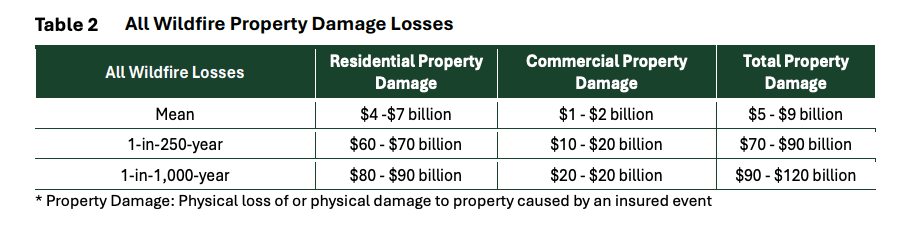
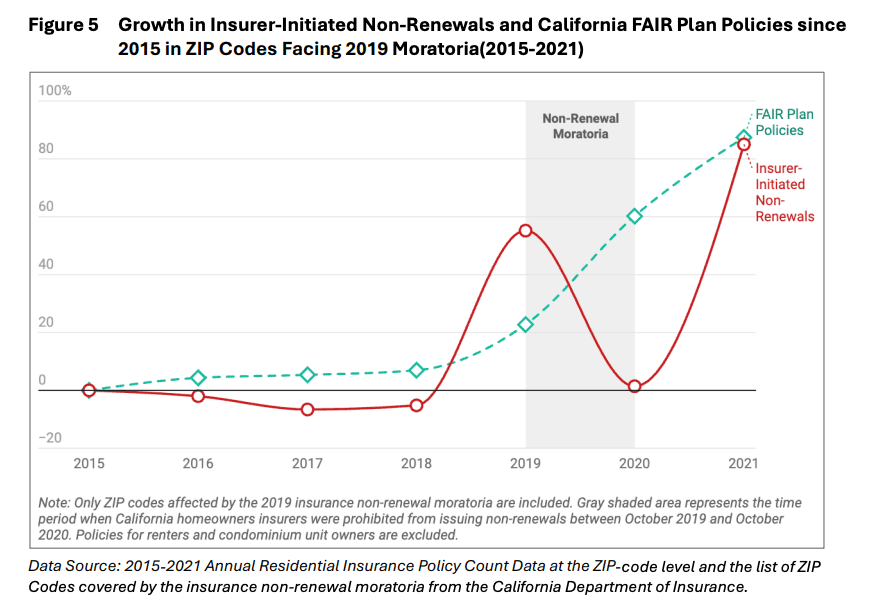
Today, wildfire risk is managed in two phases: before a fire and after a fire.
Before a fire, the focus is mitigation. Defensible space, home hardening, and vegetation management all play an important role in lowering the likelihood of ignition and are a foundational layer of wildfire preparedness. After a fire, the system shifts to claims, payouts, and recovery. That model is built around passive defense: reducing risk before a fire and absorbing loss after it.
What this structure doesn’t account for is what happens during a wildfire itself.
During a wildfire, homes and businesses are effectively on their own. The priority is saving human life and the system is rightly organized around that principle. Homeowners evacuate before conditions become dangerous. Firefighters focus on life safety and stopping the spread of the fire, not protecting individual structures at scale. That leaves a period where risk is at its highest but no mechanism is actively influencing outcomes at the structure level. And that is a big gap.
The report acknowledges these pressures and recognizes that mitigation alone has limits. But the solutions remain rooted in passive protection and distributing the burden of loss, not on tools that intervene during an event to change the outcome while it is unfolding.
Reducing wildfire losses at scale requires adding a third layer: active defense.
A well-prepared property should be able to respond when conditions escalate. That means systems that can detect changing conditions, activate automatically, and operate without human intervention when a structure is under threat.
Wildfire is part of the environment and in many regions it is becoming more frequent and more severe. We have to adapt to make outcomes more predictable when fires occur. Without a change in approach, we are left with financing outcomes that continue to worsen over time. That is where the next phase of wildfire resilience has to focus on systems that can actively reduce damage in real time. You can’t price your way out of wildfire risk. But you can build systems that protect your memories and investments when a wildfire event occurs.
More from the Frontline Blog
All Posts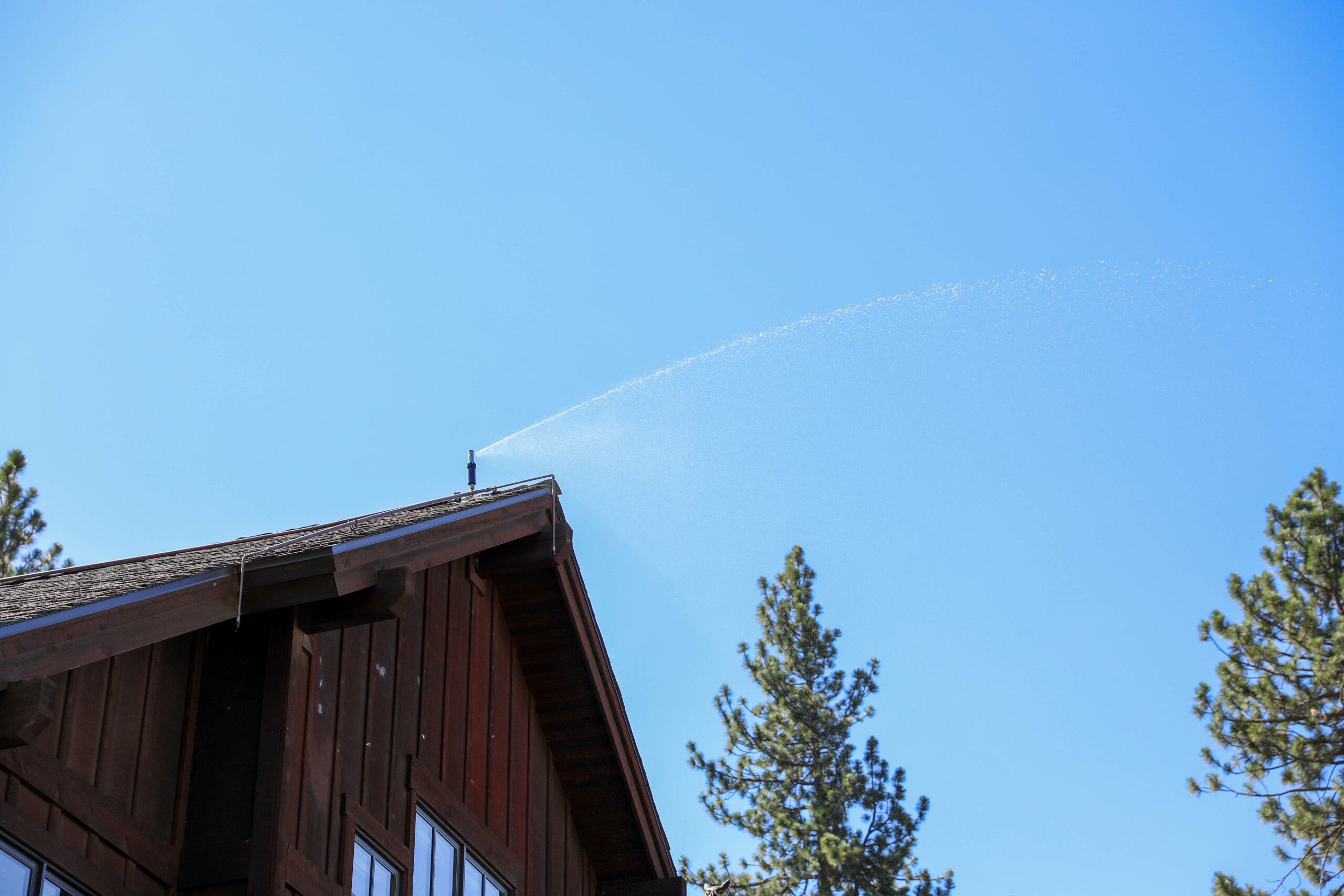
When living in a wildfire-prone region, protecting what matters most requires more than just standard preparation. Golden Bear Solar...
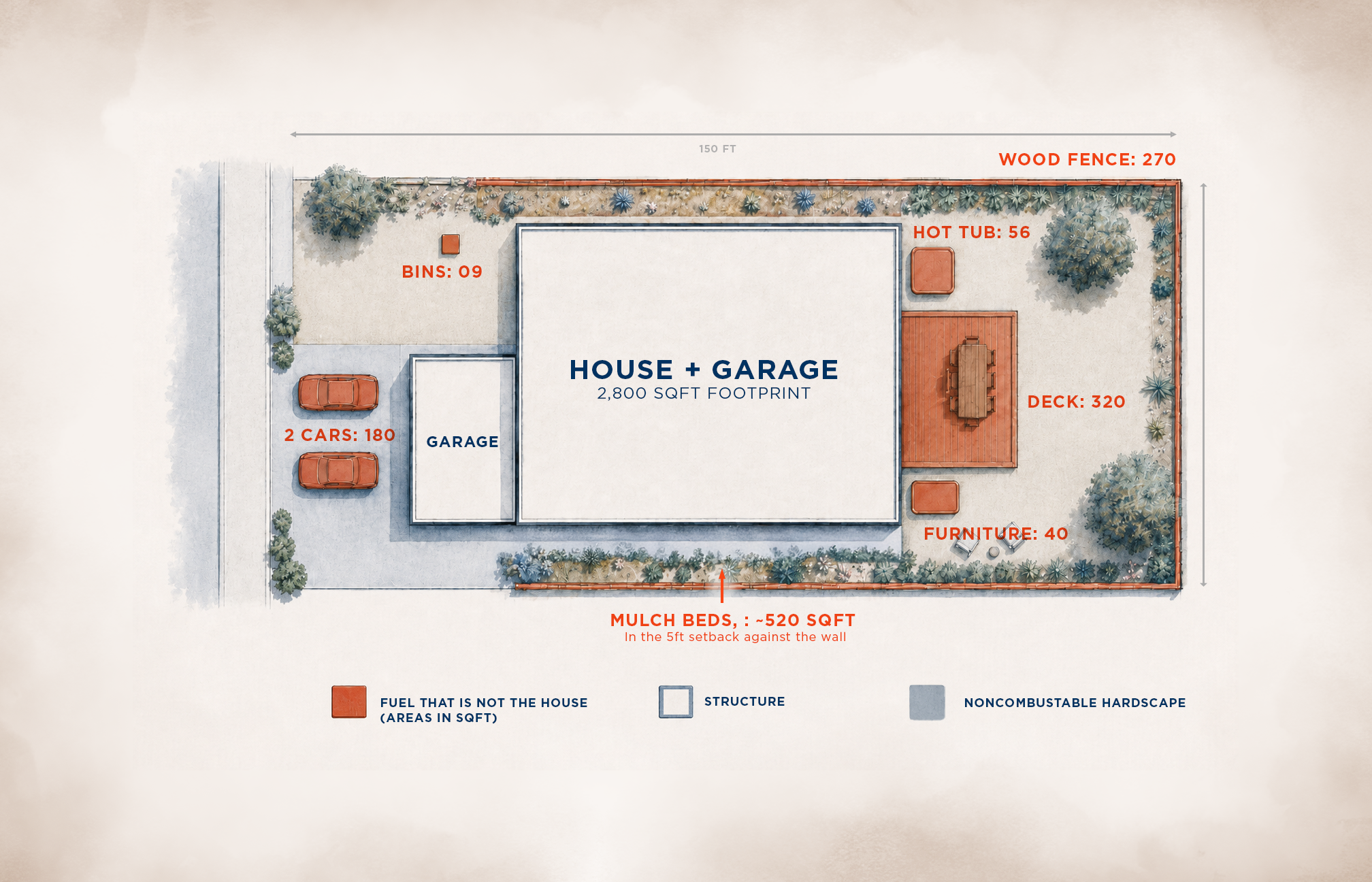
A Massive Gap in Passive Structure Hardening Virtually every wildfire expert agrees that wind-driven embers are the primary threat...

Every homeowner’s journey with Frontline begins with a conversation. For many, that conversation comes after experiencing a wildfire firsthand,...