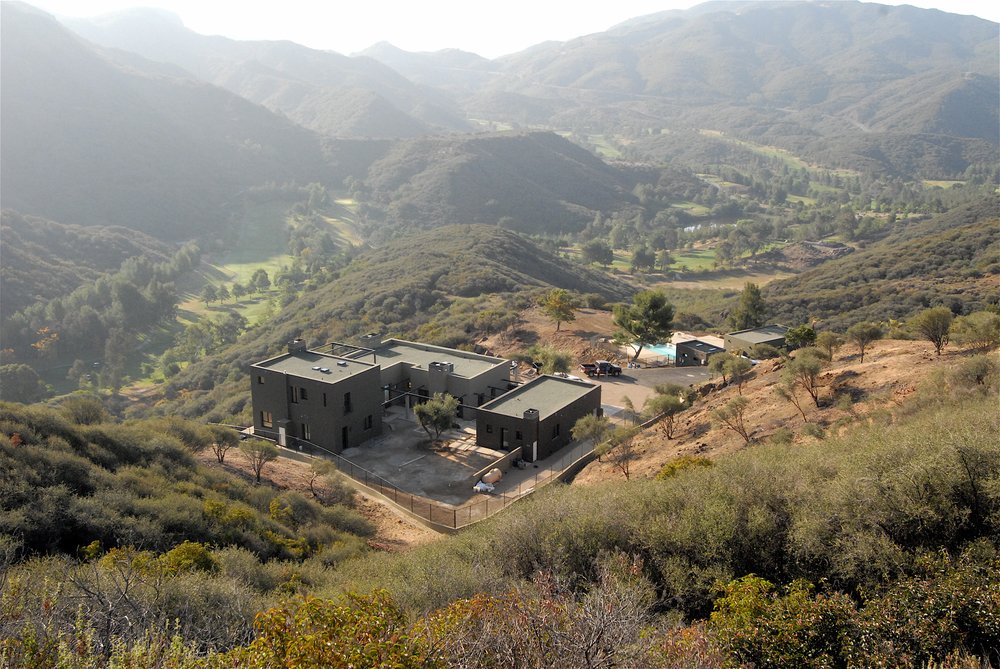
High above a canyon in the remote ridge lines of Malibu, the Hunter family’s home was a rare place where three generations lived under one roof. Sitting squarely in the wildland-urban interface surrounded by chaparral, the home connected the family of seven to nature while keeping them close to their community. Then, in November 2018, everything changed.
A wildfire ignited in Woolsey Canyon. Fueled by dry vegetation and strong Santa Ana winds, embers swept from the hills to the coast. Over the next two weeks, the fire raced roughly 15–20 miles from its origin, consuming almost 97,000 acres, destroying more than 1,600 structures, and forcing nearly 300,000 people to evacuate. The Hunters were among those in its path. They evacuated safely but spent weeks waiting to learn the fate of their home. When they returned, it was gone.
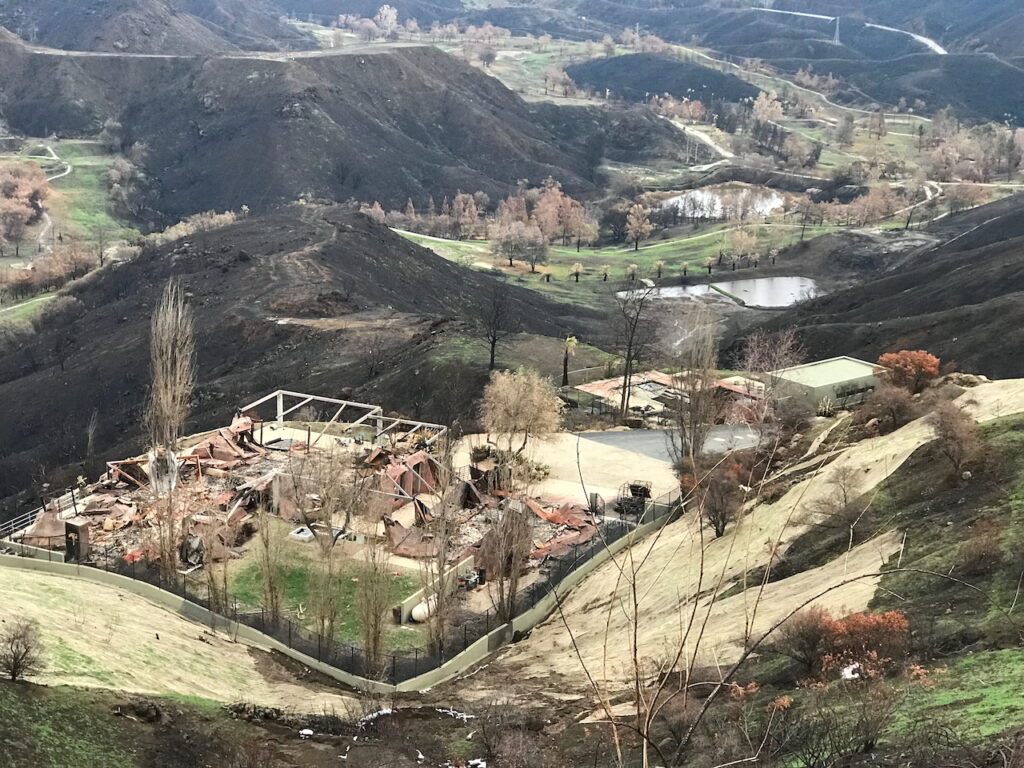
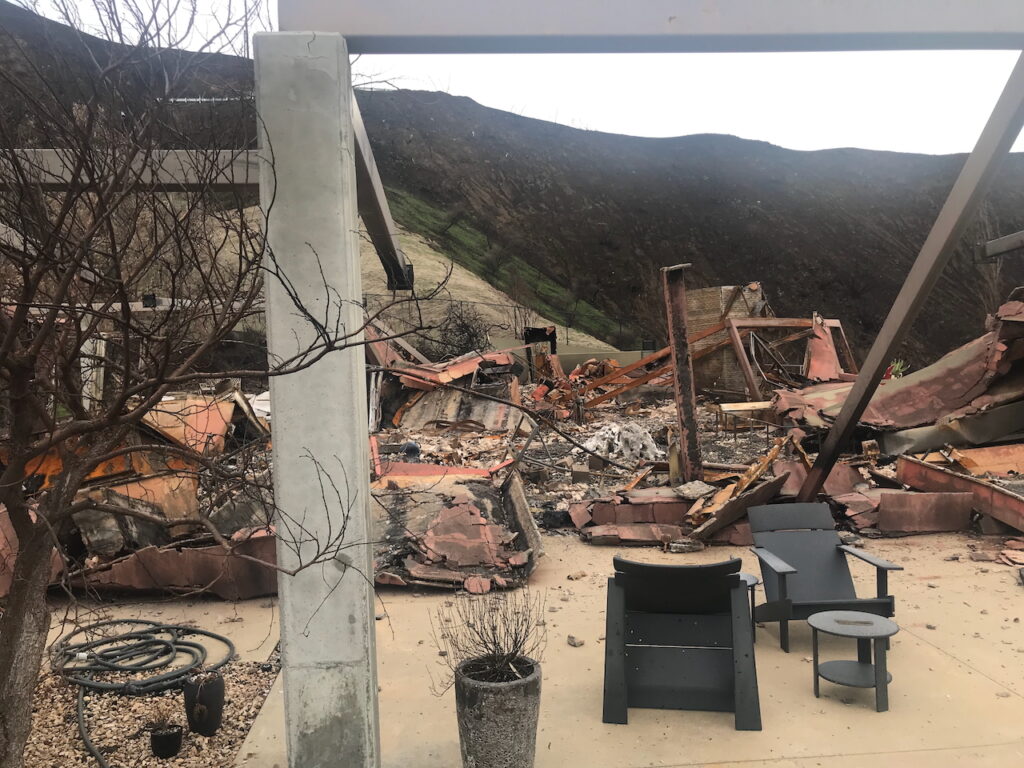
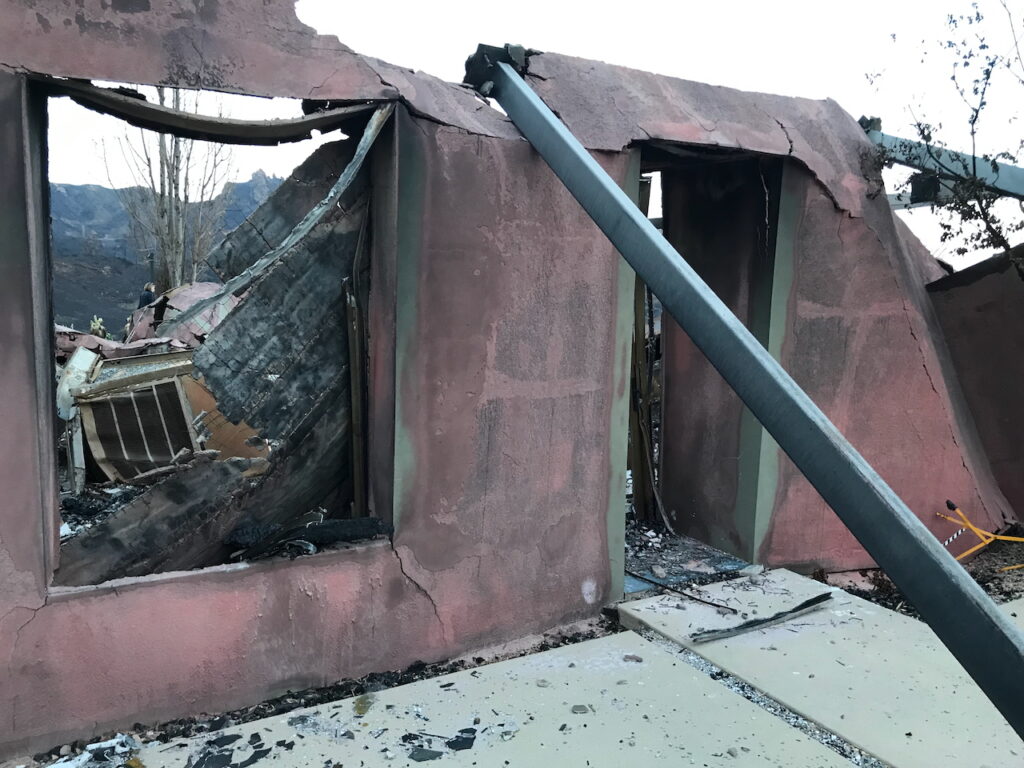
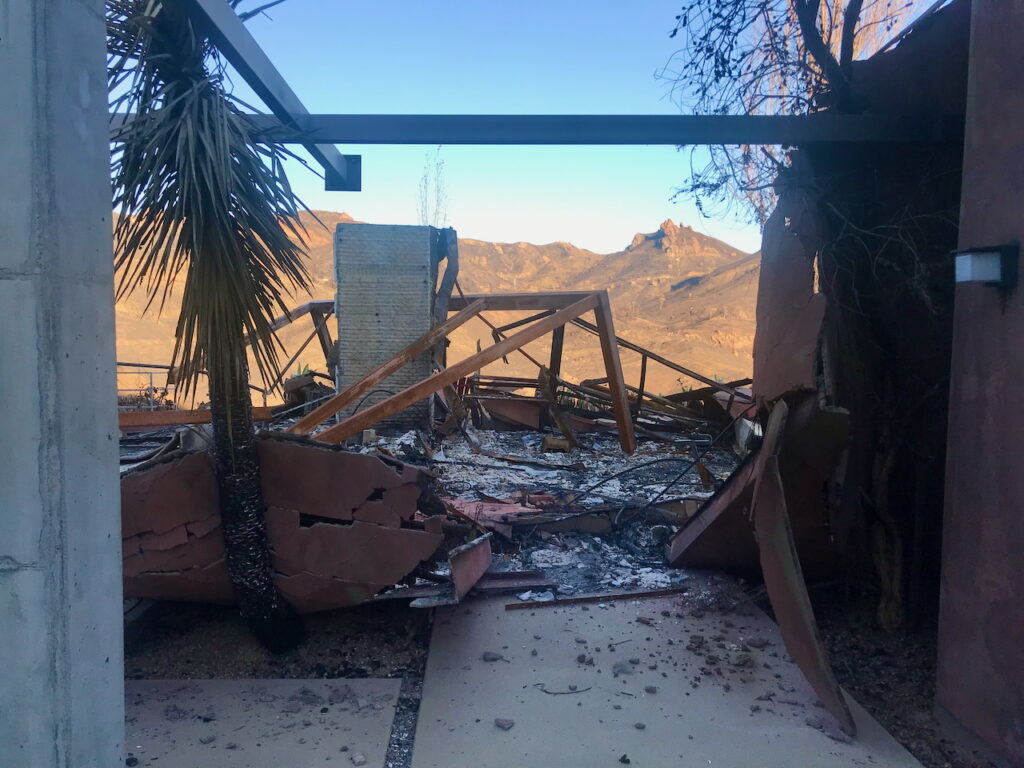
After the fire, they had to manage both the physical aftermath of the disaster and the logistical challenges of recovery including debris flows, looters, and the painstaking insurance process. “We lost so many things in the fire (my in-laws’ lifetime of photographs and cherished family heirlooms in particular), and coming up with a list of every single item and its value was a kind of torture that I don’t wish on anyone,” Scott shared. “But it also taught me to be less attached to things in a good way.”
Next came a difficult decision: relocate or rebuild. They chose to stay and Scott took on the enormous responsibility of overseeing the project. In total, their rebuild took four and a half years. Permits moved slowly, regulations shifted mid-process, and promises from officials about fast-tracking reconstruction often went unfulfilled. Eventually their careful planning and persistence produced a structure ready for the realities of wildfire.
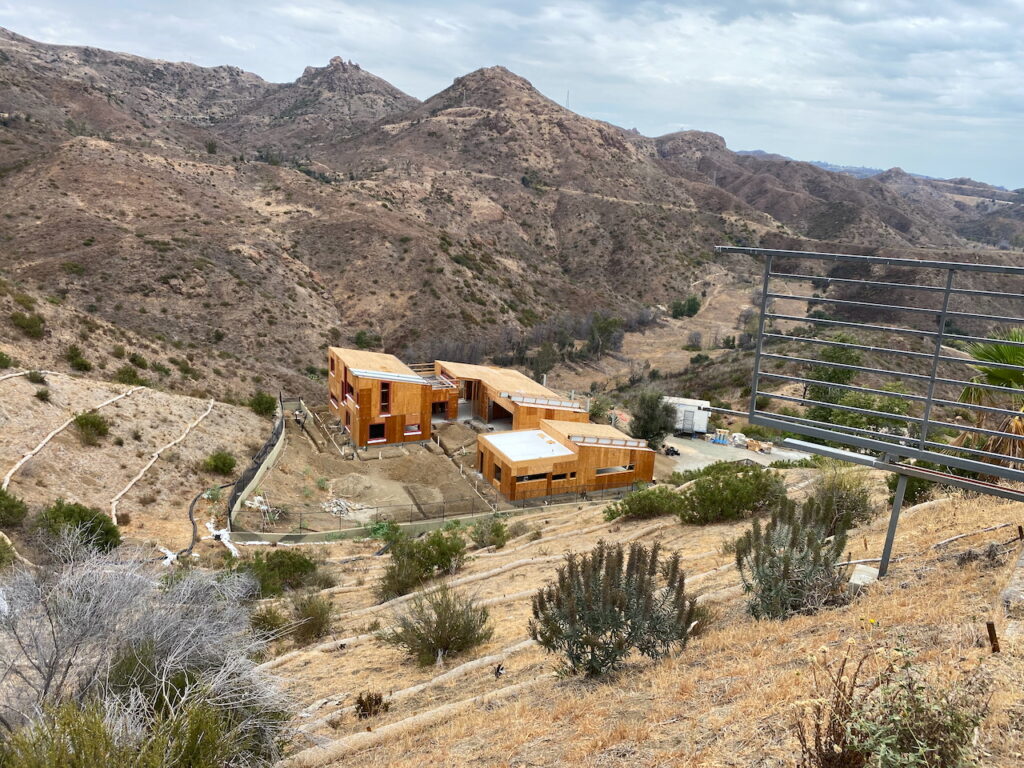
While the home’s footprint stayed nearly the same, wildfire resilience guided every decision. The roof was reshaped to limit ember accumulation, non-combustible materials were used throughout, and landscaping reduced fuel near the house while creating strategic windbreaks. “Most critically, we installed an exterior wildfire sprinkler system by Frontline capable of being entirely off-grid with redundant control systems, battery backups, and 15,000 gallons of stored water,” Scott explained.
Reflecting on the fire, he acknowledged what might have helped them before, “I knew before the Woolsey fire that it was a matter of when, not if, fire would come through the mountains. I regret not doing more to prepare back then… I definitely wish we had a wildfire defense sprinkler system.”
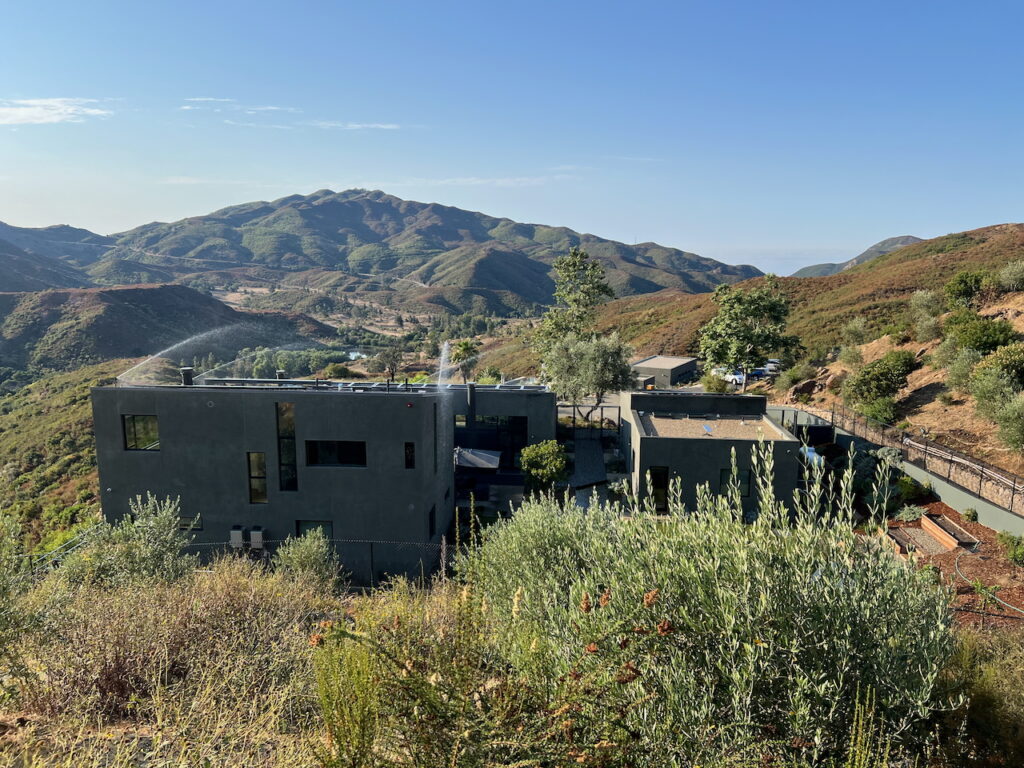
Now with layered defenses in place, including Frontline, the structure is safer, stronger, and thoughtfully integrated with its surroundings. It isn’t only theoretical either, “Since the system has been installed we test it regularly, and have activated it once when there was a remote risk of advancing fire. Like so many of our neighbors, we are significantly under-insured at this time, and so I rely on the system to protect our home from future loss” says Scott. Still, the family remains honest about what it means to live with wildfire. “I take comfort in knowing our risk is less. But I also know the risk is still very real, and accepting and living with that risk takes a certain amount of ongoing effort.”
The Santa Monica Mountains have burned for millennia and they will burn again. By rebuilding for that reality, the Hunters created a home prepared for the landscape they live in. Their story shows that, with the right preparation, families can stay rooted in the place they love, even in fire country.
Thank you to the Hunter family for sharing your story and being apart of Frontline.
More from the Frontline Blog
All Posts
Technology is changing what’s possible in wildfire protection. Now the challenge is helping people reimagine what’s possible and that’s...
The Growing Challenge of Protecting Homes Looking across the West right now, fire activity in the Four Corners region...
In the recent Sandy Fire in the Simi Valley–Westlake corridor, we are seeing something that is becoming increasingly common...