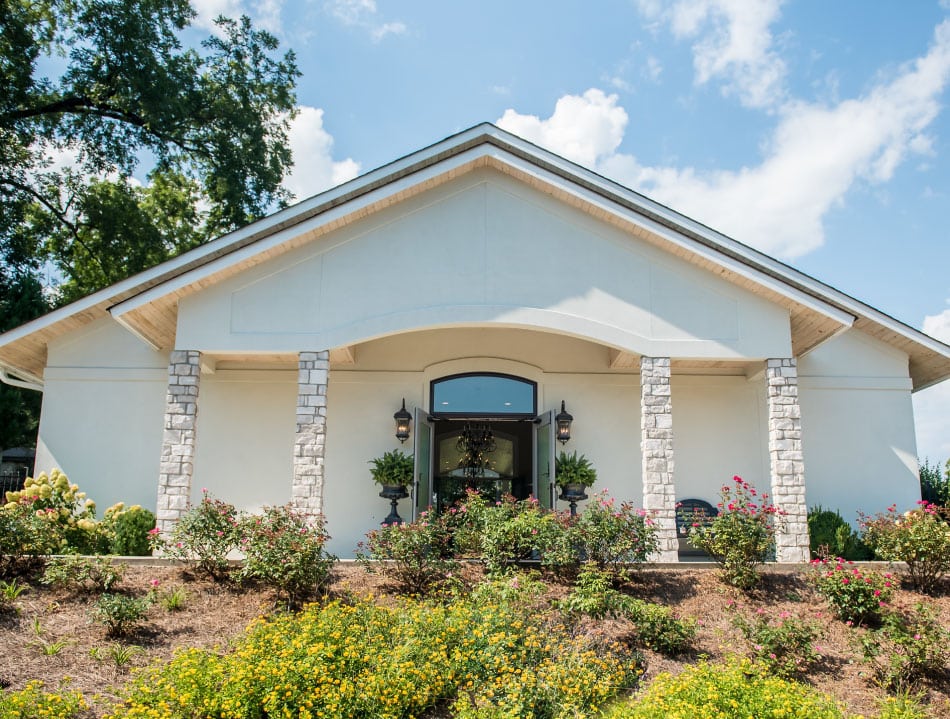
Zone 0 wildfire prevention has been getting attention across the state of California in recent years.
Though it was once a little-known concept, highly destructive wildfires in the state have brought the idea into focus. Wildfires have wiped out entire neighborhoods and scorched thousands of acres, making wildfire-safe property design a priority.
Rethinking landscapes in terms of their resistance to wildfires does not mean stripping away vegetation and replacing gardens with barren expanses of rock and concrete.
Zone 0 defensible space design balances ecological considerations and fire resilience with beauty and a harmonious home setting.
This article has what you need to know about Zone 0 regulations and design, as well as how Zone 0 mitigation works alongside active defense as part of a comprehensive wildfire protection system.
What is Zone 0, and why is it important?
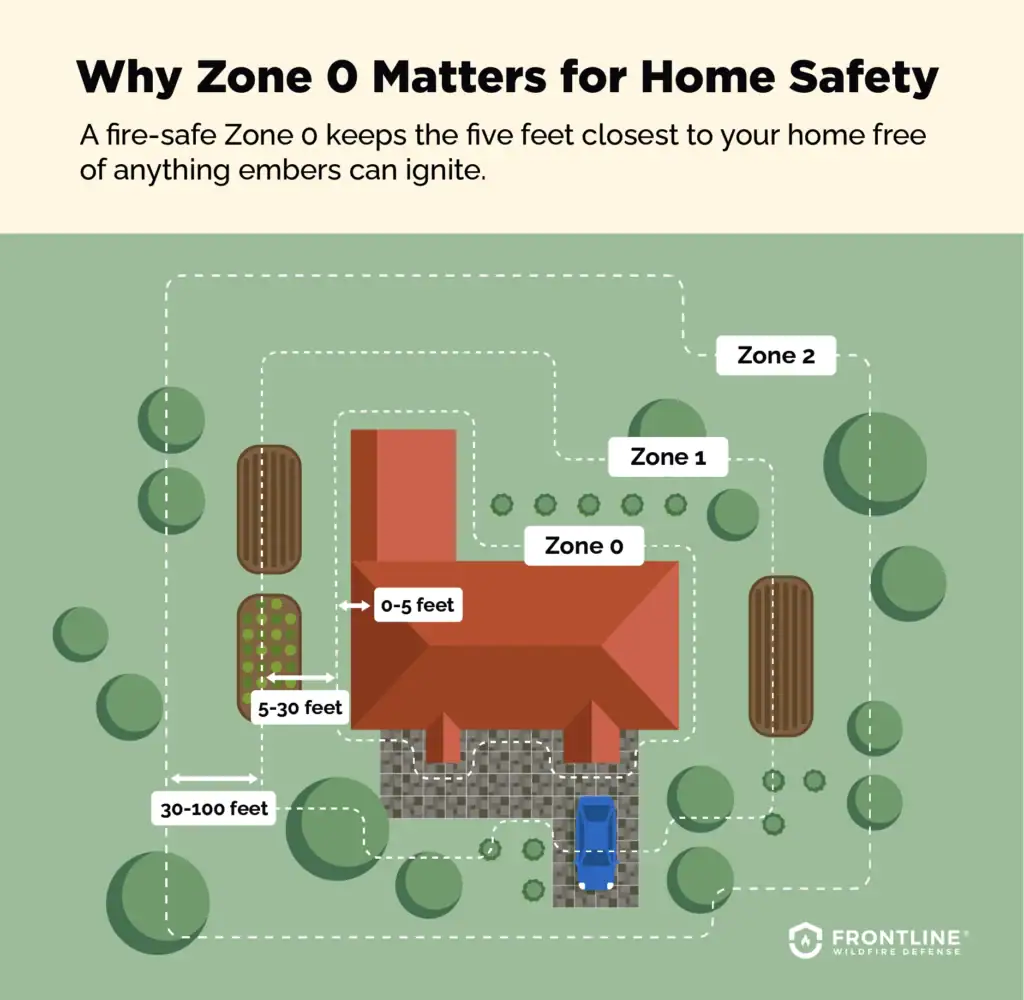
Zone 0 is the area immediately surrounding your house and extending five feet from its walls. When it comes to wildfire defense, it’s the area most vulnerable to embers, which are responsible for up to 90% of home ignitions.
Embers that land near your home can ignite nearby materials and start a fire that quickly spreads to the structure. For example, embers can set dry leaves in gutters, welcome mats, or patio furniture on fire. Since these items are so close to the house, those small fires can escalate fast and spread to the home itself.
Making a Zone 0 defensible space around your home and other structures dramatically reduces ignition risk. This means removing flammable materials from the area and replacing them with non-combustible ones.
Research shows that a well-designed Zone 0 wildfire prevention perimeter significantly improves a home’s chances of survival. During the L.A. fires, homes equipped with the Frontline Wildfire Defense System were able to saturate Zone 0, helping many of those homes survive while nearby, unprotected structures were lost.
Why is Zone 0 creating debate in California?
Zone 0 California regulations focus on the area within five feet of the home, requiring materials and landscaping designed to resist embers and slow fire spread. The Zone 0 Regulation Advisory Committee, in coordination with the California Board of Forestry and Fire Protection (BOF), California Department of Forestry and Fire Protection (CAL FIRE), and Office of the State Fire Marshal (OSFM), is developing these rules to better protect homes in high-risk fire areas.
Supporters argue that implementing a defensible Zone 0 can reduce the risk of homes catching fire from embers, improving safety for residents and preventing loss of property in wildfire-prone areas. Opponents, however, raise concerns about environmental and practical impacts, noting that removing trees and shrubs could increase temperatures, destabilize hillsides, reduce wildlife habitat, and raise energy costs for cooling.
The Zone 0 committee is gathering public input, educating stakeholders, and refining the rules with the goal of creating practical regulations that balance wildfire safety with environmental and community concerns.
Steps for homeowners to implement Zone 0 regulations
In a nutshell, Zone 0 regulations require an ember-resistant perimeter extending five feet around all structures. While the final rules are still being developed, homeowners can take steps now to reduce wildfire risk and protect their properties.
Here are tips for implementing Zone 0 plants and trees, along with key design features to eliminate the ignition zone around your house that’s most vulnerable to embers.
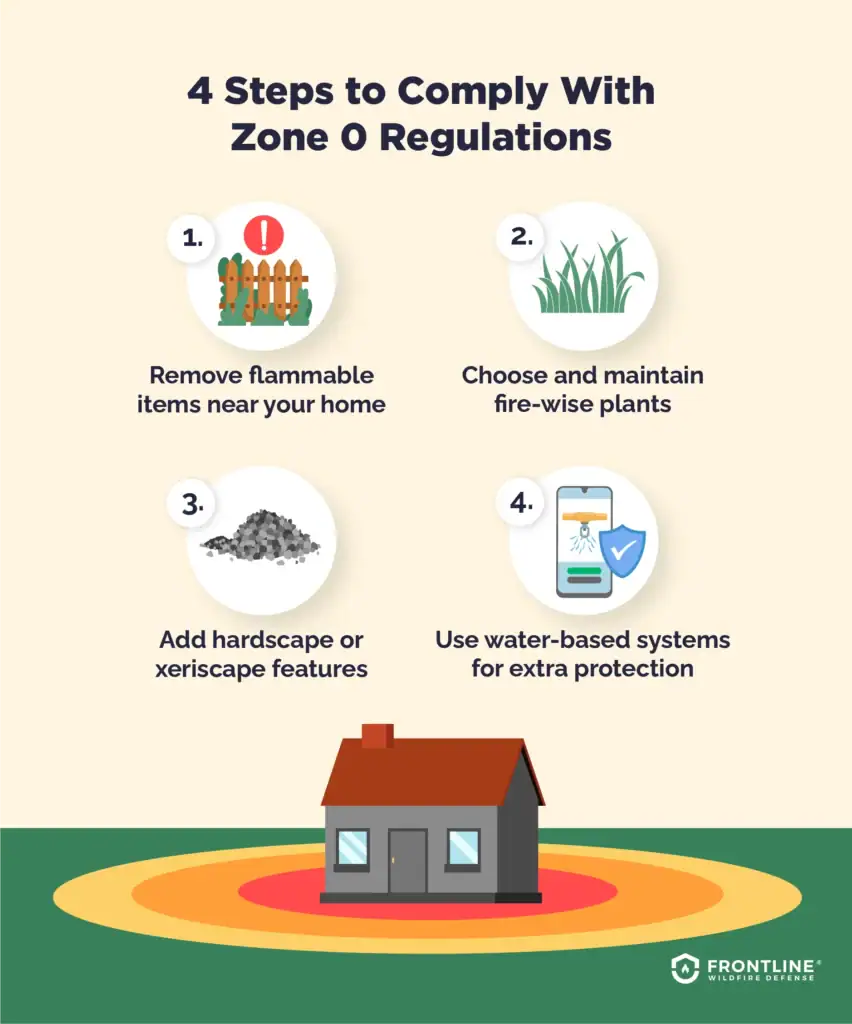
1. Reduce flammable materials near your home
Creating a safer Zone 0 doesn’t mean leaving your yard bare. Rather, it’s about making choices that reduce ignition risks and improve your home’s chances of surviving a wildfire. While it’s impossible to remove all flammable materials, especially items you use daily, being aware of the risks and taking steps to manage them can make a real difference.
Active defenses, like exterior sprinkler systems, can further reduce risk and give peace of mind, so you don’t have to constantly worry about moving toys, furniture, or vehicles during fire season.
Here are some tips to help you manage your home ignition zone:
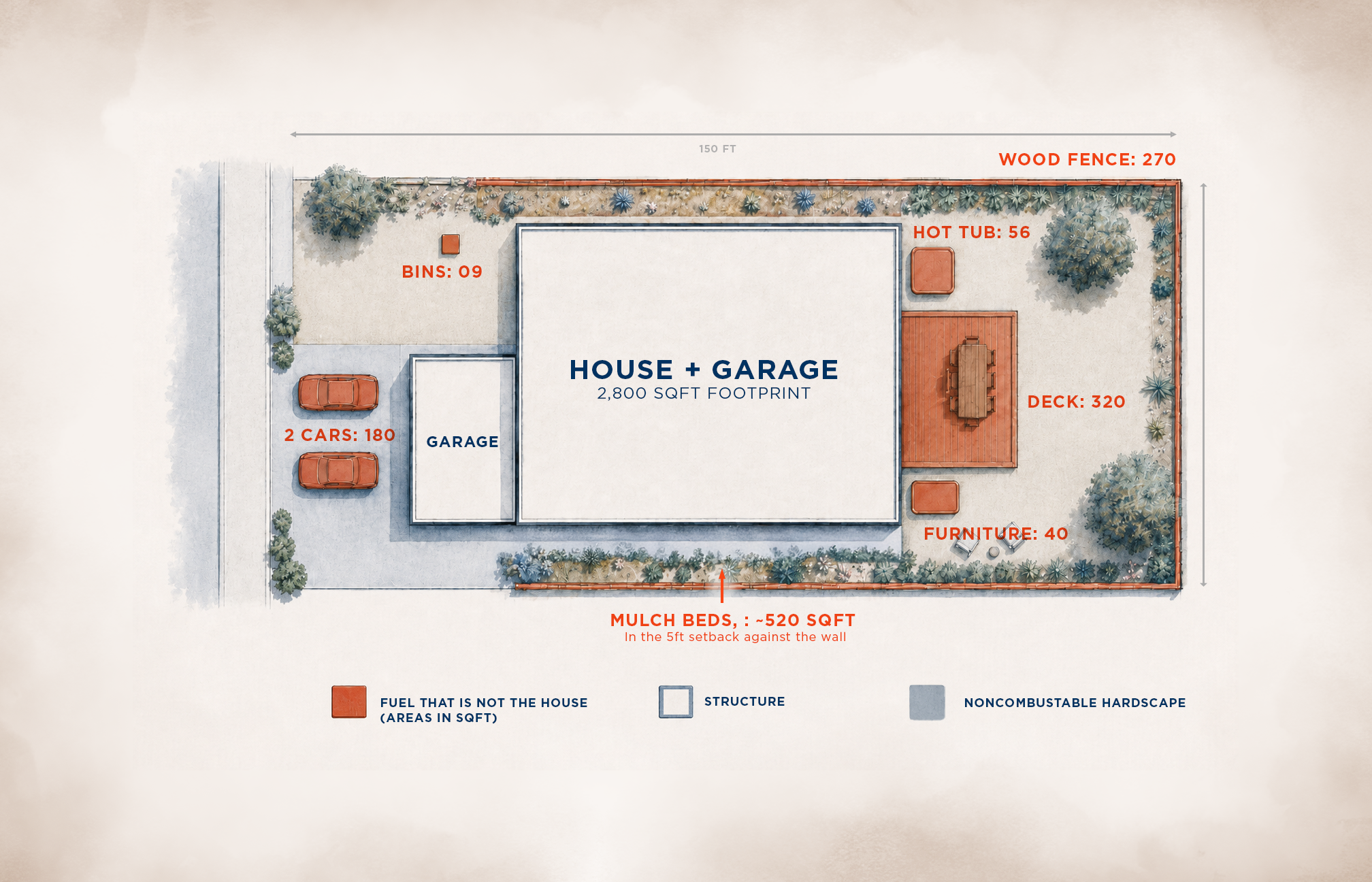
- Upgrade permanent structures: Replace wooden decks, fences, garden structures, and flammable outdoor furniture with fire-resistant materials such as metal, masonry, concrete, or stone.
- Manage seasonal hazards: Regularly remove debris, leaves, and dry vegetation from around the house, under decks, and in gutters. It’s also important to keep firewood, propane tanks, and trash at least five feet from your home, as well as to bring in cushions, umbrellas, and fabric covers during fire season or when warnings are issued.
- Account for daily-use items: Items like children’s toys, gardening tools, and vehicles may be in Zone 0, but managing them during high-risk periods can reduce ignition risk. Exterior sprinklers and other active defenses add an extra layer of protection even when everything can’t be removed.
2. Choose and maintain fire-wise plants
Start by identifying the highest-risk areas around your home. Plants and trees closest to your house can act as fuel for fast-moving fires. Dense, oil-rich species like juniper, eucalyptus, Italian cypress, palms, and bamboo are particularly flammable. Low-growing shrubs like sagebrush and feather grass, as well as water-intensive lawns that dry out in drought, can also become tinder for embers.
Once you know your high-risk areas, you can reduce fire danger while keeping an inviting landscape. Choose species with a loose, airy foliage that retains water and stays green through droughts. Succulents and many native plants are naturally fire-resistant. Space plants apart to prevent fire ladders, which occur when flames spread from one plant to another. Also consider replacing flammable mulch with gravel to discourage weeds.
Keeping a Zone 0 fire-resistant area around your house requires regular maintenance. Rake leaves, prune vegetation, and remove debris from gutters, roofs, and the ground near your home to help reduce ignition risk.
3. Include hardscape and xeriscape elements
Hardscaping and xeriscaping are two effective ways to create a low-maintenance, fire-resistant Zone 0 area around your home without sacrificing beauty.
Hardscaping uses non-flammable materials like gravel paths, stone patios, concrete pavers, and garden structures. These elements add visual interest to your property while eliminating fuel for fires.
Xeriscaping involves planting drought-tolerant vegetation that requires minimal water and is less likely to ignite. Spacing plants properly and surrounding them with gravel reduces weed growth and further lowers fire risk.
Together, these techniques create an attractive, fire-resistant landscape that complements California’s natural beauty while protecting your home.
4. Use water-based systems for added protection
Active defenses, such as external wildfire sprinkler systems, are a highly effective way to protect your home and reduce daily worry during fire season. They keep surfaces damp when fire risk is high, and with foam or surfactants, water clings to surfaces to create a temporary shield against embers. These systems ultimately work like an umbrella for your home when it’s needed most.
A Zone 0 defensible space around your house forms the first layer of wildfire defense. You can then extend this approach with defensible space landscaping and home-hardening measures like noncombustible roofs and ember-resistant vents. These additional layers of protection help make your property more resilient in the face of wildfire.
Addressing common misconceptions about Zone 0
1. Do I need to cut down all my trees and remove all plants to be Zone 0 compliant?
You do not have to remove all vegetation to create a Zone 0 fire-resistant perimeter. The goal of California’s Zone 0 regulations is to use low-fuel, high-moisture plants and trees to reduce fire risks.
Depending on the type of plants you have on your property, you may just need to thin and prune them. Choosing the right plants and spacing them apart with fire behavior in mind creates an inviting landscape that’s ecologically beneficial and fire-resistant.
2. Is it true there’s no scientific research behind Zone 0?
No, the scientific basis for Zone 0 regulations is extensive. A lot of research, along with technical lab and field testing, has shown that wind-driven embers are the primary cause of structure ignition in wildfires.
Clearing the area close to structures, which is the most vulnerable home ignition zone, has been proven to lower risks. The value of Zone 0 applied science and analytics is that you now have the information you need to make your home less vulnerable to wildfires.
3. Will Zone 0 lead to more fires by removing plants?
Critics of Zone 0 regulations claim that the loss of shade-providing vegetation and the removal of mature trees raise temperatures, and therefore fire risk. Increased erosion and the loss of habitat may also result.
Research shows that carefully planned fire-buffer areas are highly effective. Clear-cutting is not necessary or desirable. The documented result is that Zone 0 California home protection reduces the risk to homes from wildfire embers and radiant heat.
Defensible, wildfire-safe space doesn’t mean barren
You don’t need to strip your property bare of plants and garden structures to implement an effective Zone 0 defensible space. Similar to shifting away from water-intensive lawns, the move to fire-resilient landscape design has a positive impact. It reduces wildfire risks while offering attractive options for an inviting landscape.
Through thoughtful plant selection, including native plants, and the implementation of hardscaping between plants, you can make your Zone 0 perimeter a first line of defense that’s as attractive as it is fire resistant.
Ready to take the next step in wildfire defense?
More from the Frontline Blog
All Posts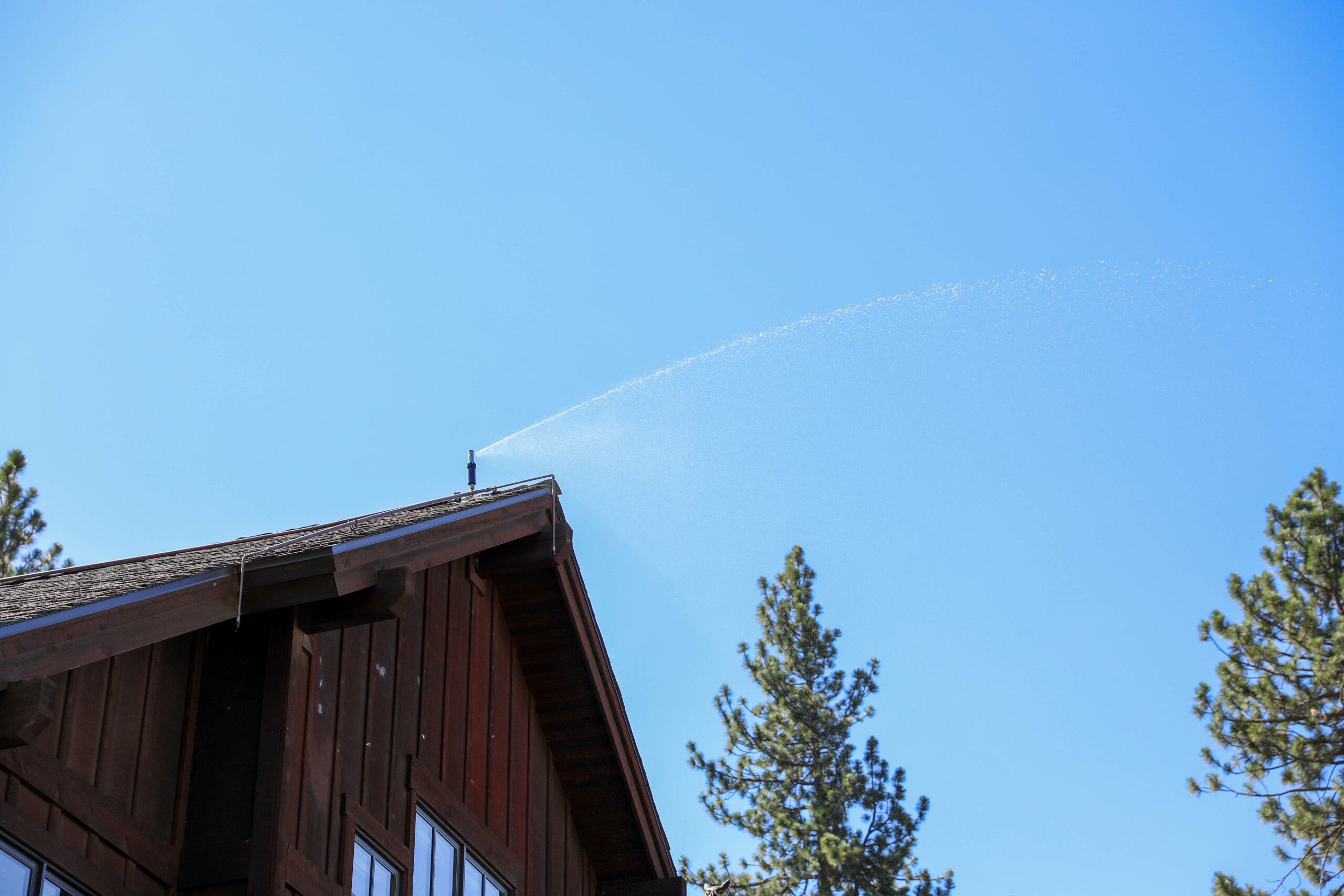
When living in a wildfire-prone region, protecting what matters most requires more than just standard preparation. Golden Bear Solar...
A Massive Gap in Passive Structure Hardening Virtually every wildfire expert agrees that wind-driven embers are the primary threat...

Every homeowner’s journey with Frontline begins with a conversation. For many, that conversation comes after experiencing a wildfire firsthand,...