Home hardening
Prepare your home
for wildfire
A wildfire doesn’t have to reach your home to cause damage. Wind-driven embers are responsible for 90% of homes destroyed in a wildfire and can travel several miles before landing and igniting a fire on or near your property. However, implementing wildfire home hardening techniques can help increase your home’s fire resistance, especially against embers.
In this article, we’ll explore practical steps you can take to reduce the risk of your home falling victim to a wildfire. You’ll learn how to harden your home against fire, potentially preventing or limiting loss. With these home hardening measures, you can feel more confident about the security of your home in the event of a wildfire.
What is home hardening?
Wildfire home hardening is a strategy designed to reduce the risk of your home igniting or suffering severe damage in a wildfire. It involves leveraging building and maintenance practices that have been found to reduce fire risks.
Research on previous fire losses and controlled experiments have led to the creation of fire hardening approaches. These include modifications to roofing materials, vent design, and siding choices, as well as the sealing of gaps where embers and heat can accumulate to cause a fire.
Home hardening strategies work in combination with the concept of defensible space, which involves managing materials outside your home to reduce potential fuel sources that could ignite in a wildfire.
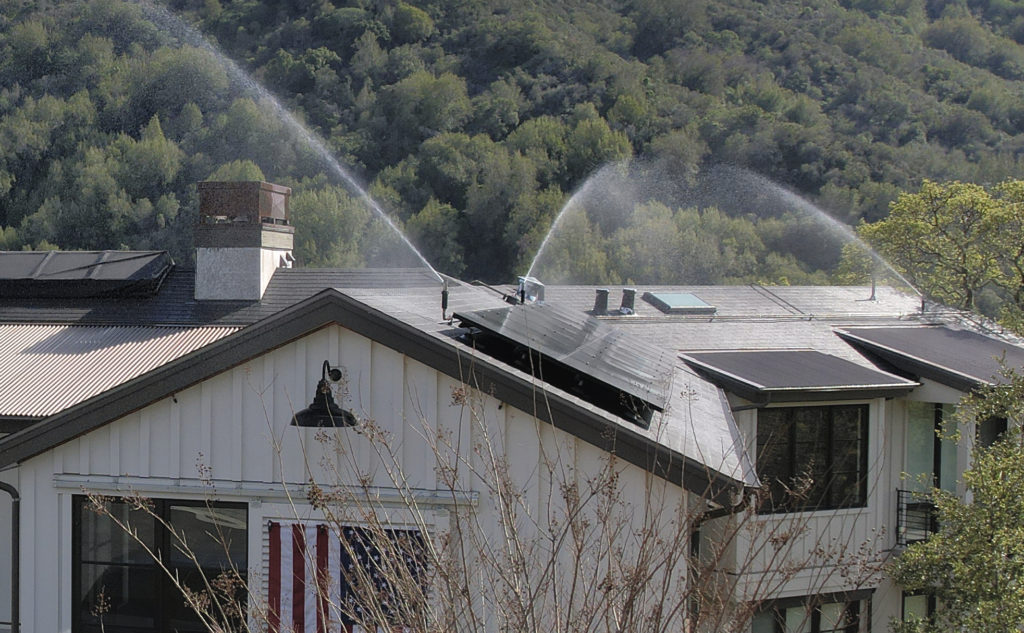
The most effective protection combines using both approaches together with active wildfire defense in the form of an exterior sprinkler system. These systems keep surfaces wet and cool to protect your home from embers and radiant heat.
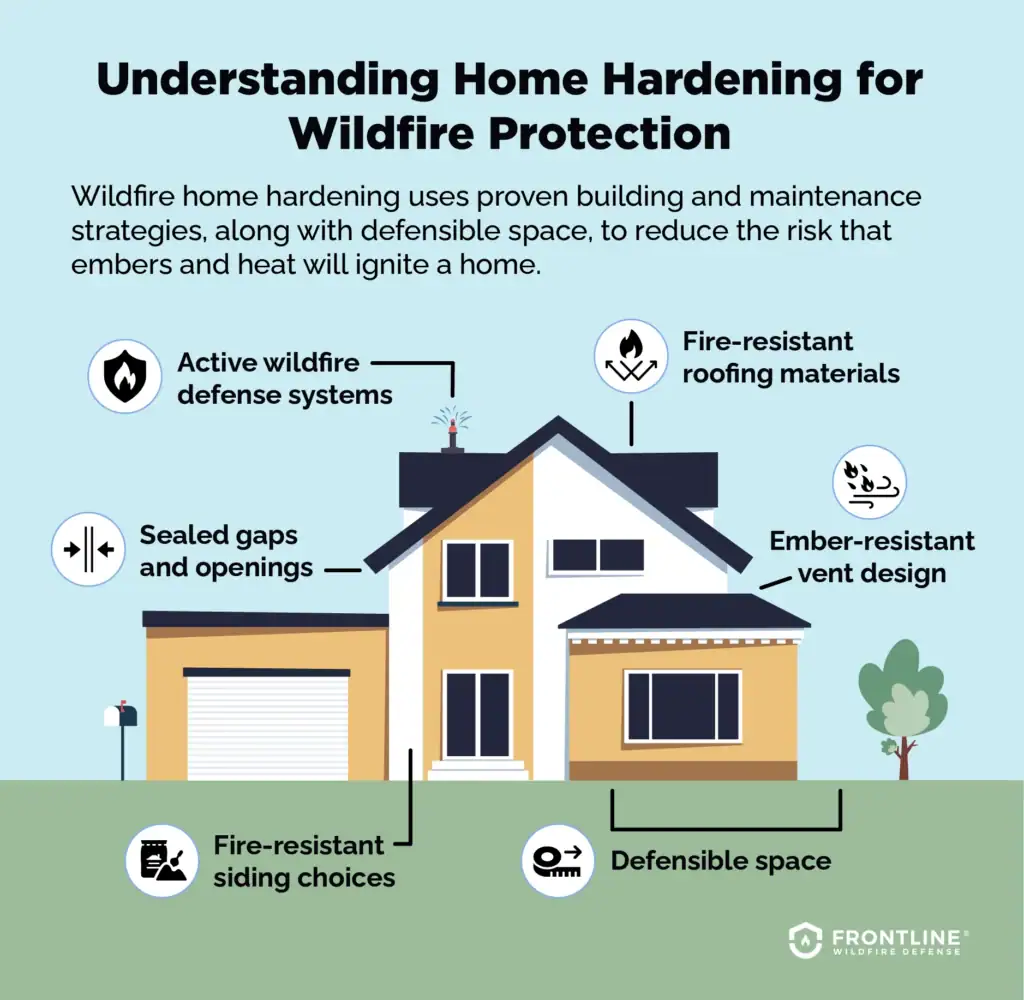

How to fire harden your home
To implement fire hardening and defensible space strategies, start by assessing the vulnerabilities on your property. Begin with Zone 0, the area extending about five feet around the perimeter of your home. This is the most crucial zone for creating defensible space.
You can then focus on fire hardening your home by identifying combustible materials and gaps. Seal any gaps and look at replacing vents with ember-resistant options. While replacing flammable roofing and siding materials can be an expensive project, it may well save your home in the event of a wildfire.
The free Frontline Wildfire Defense app provides fire hardening checklists and helps you keep track of which items you have completed. Download the app today to get started.


Start with Zone 0
Defensible space refers to the area around your house, not the structure itself. The most important perimeter is Zone 0, which is the space that’s closest to your house.
This is typically where embers can land and ignite. The good news is that there are clear steps you can take to help fireproof your home from the risk of wildfire.
Try to move any potentially flammable items at least five feet away from the exterior walls of your home, especially when fire warnings are issued. This includes firewood, mulch, plants, outdoor furniture, and even doormats.
Learn more about how homeowners can implement Zone 0 regulations.
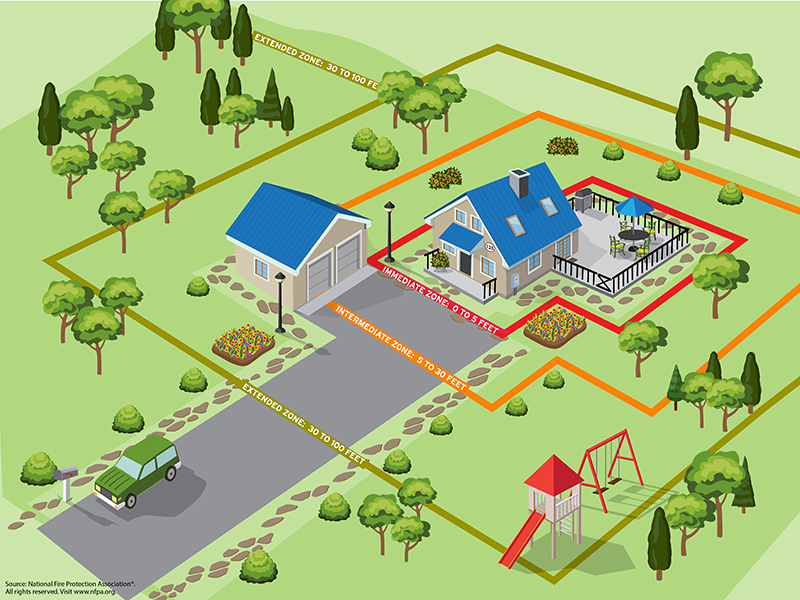
Key areas to fire harden
Preparing your home for wildfire can sometimes feel overwhelming and expensive. However, there are actions you can take, such as those detailed below, that can be completed quickly and at a relatively low cost. You may be able to do these home fire hardening projects yourself or with the assistance of a local handyman or home fire preparation company.
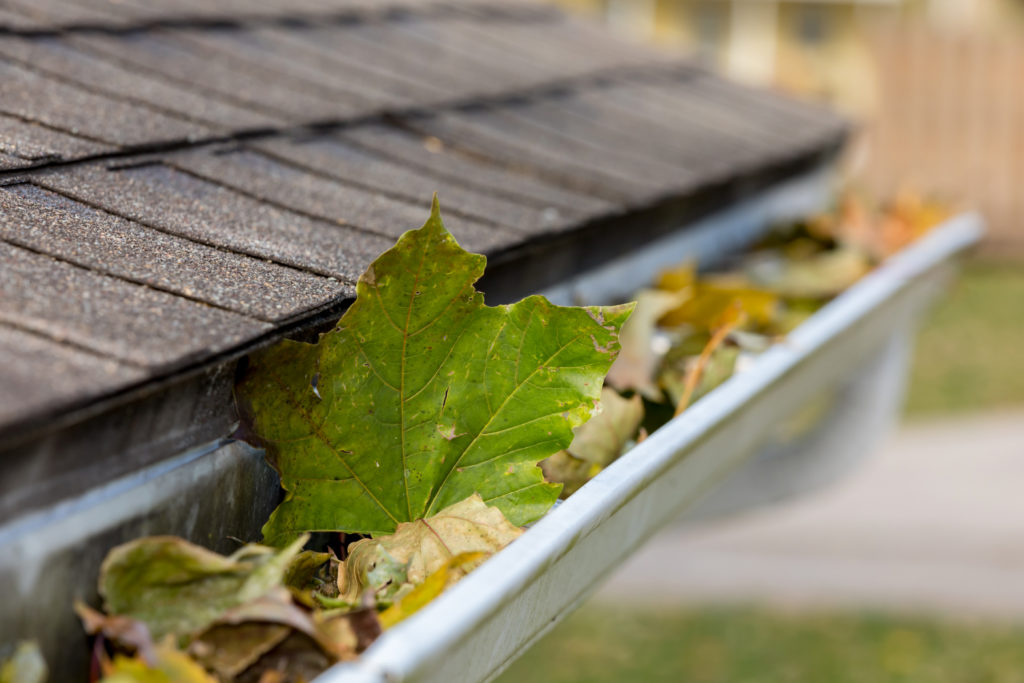
GUTTERS AND EAVES
Debris, such as leaves and pine needles, can accumulate in your gutters and become dry and brittle over time. This provides fuel that can quickly ignite when exposed to embers from a wildfire.
Adding noncombustible gutter guards can prevent debris from building up. However, regularly cleaning your gutters is a simple but important step in protecting your home from wildfire, especially if you live in a high-risk area. Consider hiring a professional if you need assistance with this task.
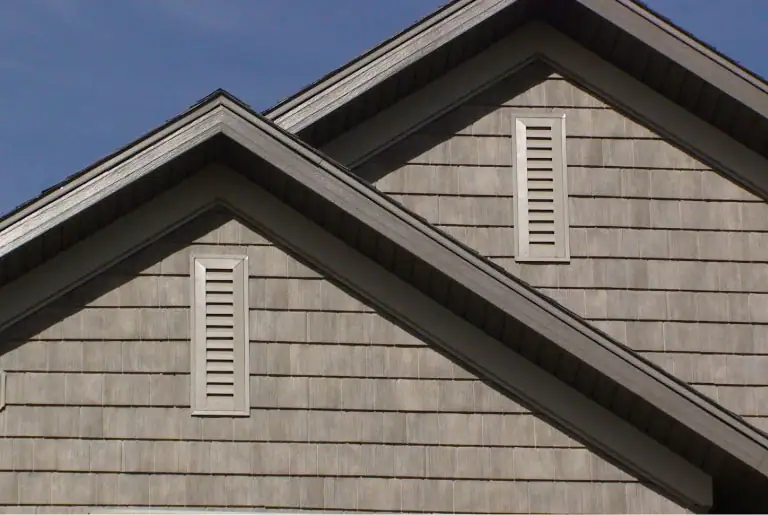
VENTS
Embers can enter your home through attic, eave, and basement vents, potentially igniting a fire inside. Therefore, a key step in fire hardening your home is to remove this vulnerability. To do this, you can add wire-mesh screening no thicker than 1/8 inch over each vent.
Some companies offer ember-resistant vents specifically designed to protect your home against ignition by embers. These can be retrofitted to your existing attic, soffit, basement, foundation, or gable vents.
Since embers are the leading cause of home ignition during wildfires, upgrading vents is a quick and inexpensive step.
ROOFS
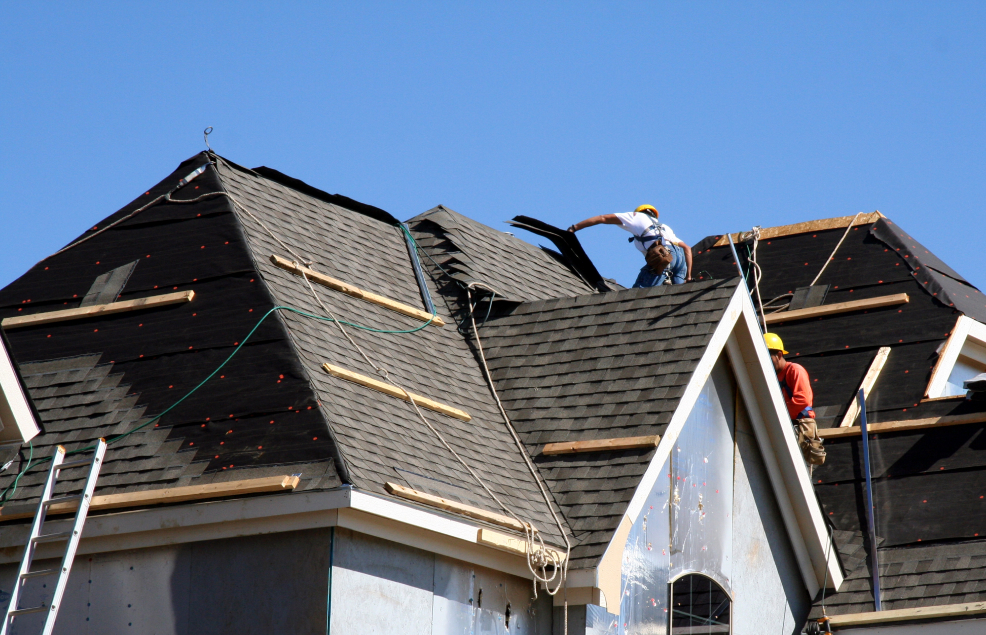
Roofs are particularly vulnerable to hot embers. Loose or missing roof shingles or tiles can create gaps that allow embers to settle, smoulder, and ignite a fire. Make sure to address minor repairs to your roof as soon as possible to reduce the risk of ignition.
A new roof built with a Class A roofing material offers the best protection from wildfire. If your home is located in a wildfire-prone area and your roof is unrated or old and in need of replacement, consider upgrading to a Class A fire-rated roof, as recommended by the Insurance Institute for Business & Home Safety.
DECKS AND ATTACHMENTS
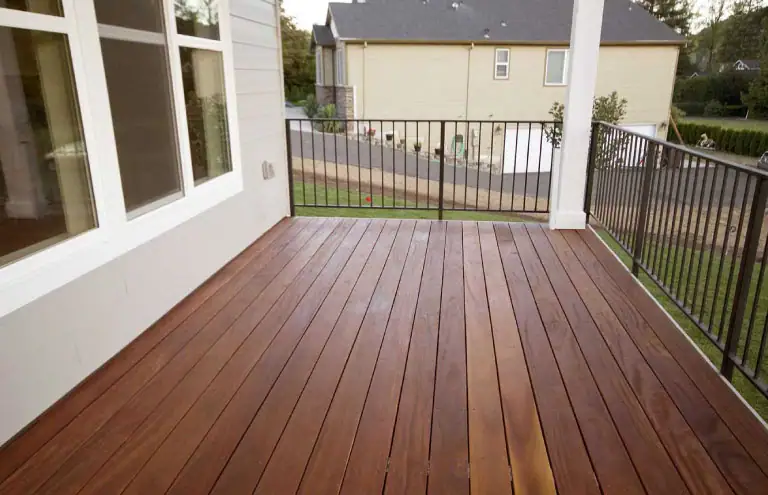
Decks and other structures attached to your home, such as stairs, railings, and fences that connect directly to the house, are common pathways for wildfire to spread. During a wildfire, embers can land on these surfaces or collect underneath decks, where they may ignite accumulated debris or nearby combustible materials.
Once ignited, fire can easily transfer from these attachments to the main structure of the home. To reduce this risk, choose furniture and accessories made from fire-resistant materials when possible. Also consider removing or relocating combustible items, especially during times of high wildfire risk. Regularly clearing away unnecessary items and debris can help reduce the chance of embers igniting near your home.
WINDOWS AND DOORS
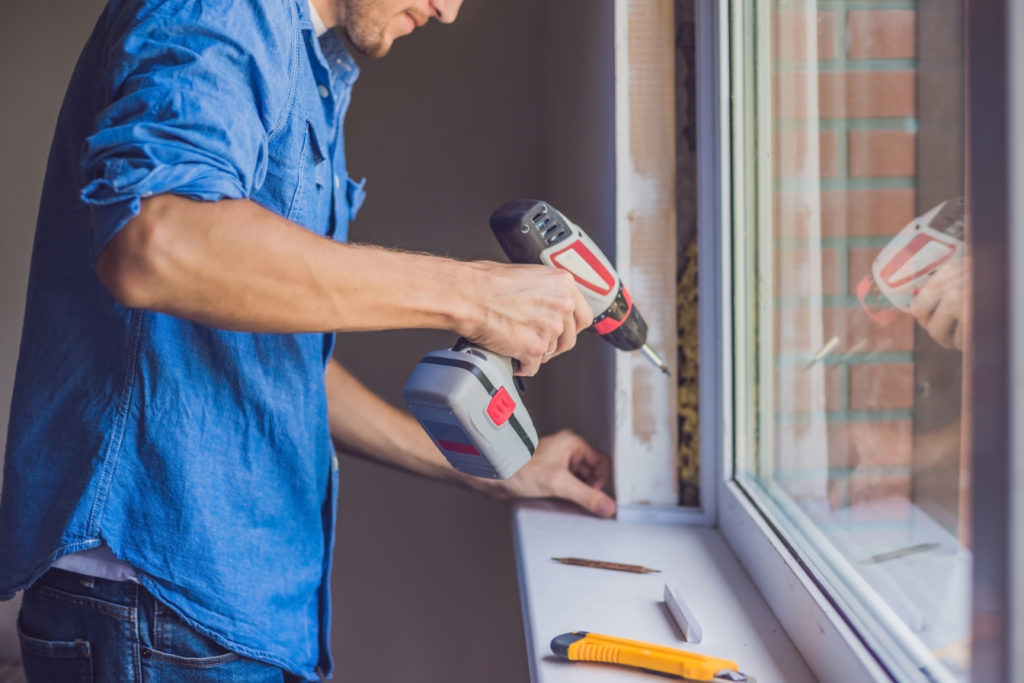
Windows and doors are critical elements to consider when fire hardening your property. Radiant heat from fires can cause windows and other outdoor glass fixtures to break even before the fire reaches your home.
Broken windows make it easier for embers to enter and ignite a fire within your home. To protect against this, install dual-pane windows with tempered glass that’s resistant to fracturing in the heat.
Also, replace existing doors with fire-resistant models, paying close attention to fire-resistant weatherstripping.
SIDING AND WALLS
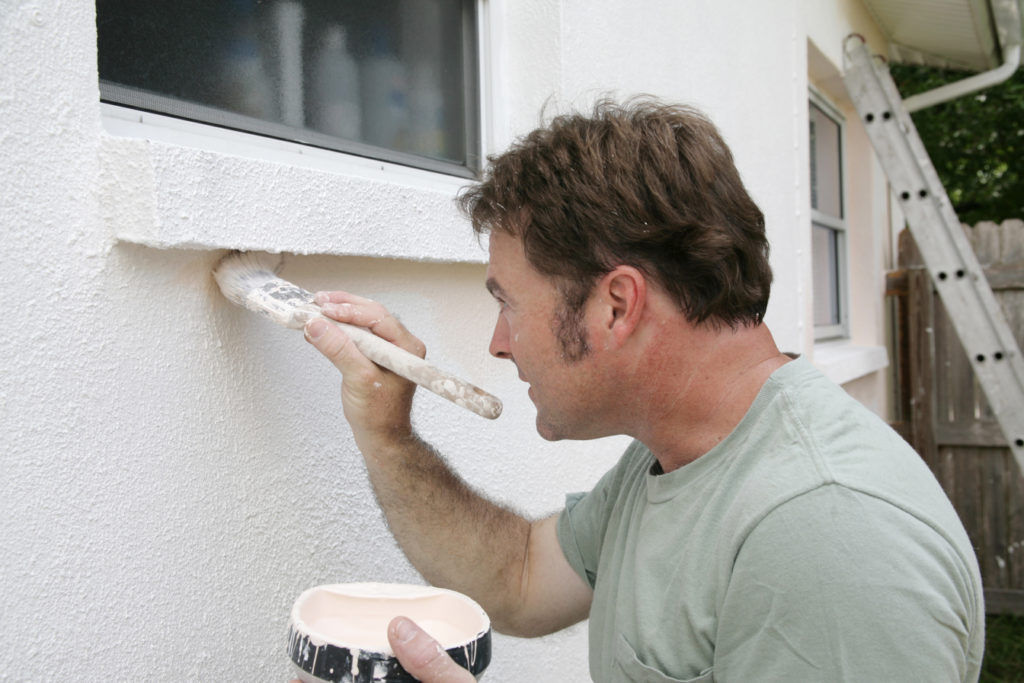
Radiant heat can melt or ignite some types of siding. Home hardening techniques involve replacing flammable materials with noncombustible options. Common noncombustible materials include three-coat stucco, metal siding, and fiber cement siding.
A combination of fire hardening and defensible space around your house will help protect your home in the event of a wildfire.
Reimagining home hardening
Home hardening isn’t limited to passive measures. While it’s important to remove or reduce the presence of flammable material on or around your home, these actions may not be enough and only address part of the wildfire threat.
For a more comprehensive approach that combines passive measures with active defense, consider Frontline Wildfire’s exterior sprinkler system. It uses a combination of water and firefighting foam to wet and cool surfaces to combat the risks posed by wind-driven embers and radiant heat. With the Frontline Wildfire Defense System, you can achieve high-level protection for your home that gives you peace of mind.
Contact us today to take your home fire hardening strategy to the next level.
Protect your home from wildfire — FAQs
Preparing for a wildfire involves thinking through everything you need to do before and during a wildfire event. This includes preparing your landscaping for wildfire, having a wildfire evacuation plan, carefully monitoring wildfires in your area, and considering an exterior wildfire defense system. With careful planning, you can greatly reduce the threat of wildfire to your family and home.
Upgrading to fire-resistant building materials, such as Class A roofing, noncombustible exterior siding, and dual-pane windows with tempered glass, is key to hardening a house against fire. However, these steps alone are not enough. A comprehensive fire preparation plan should also include creating and maintaining defensible space around your home and having an evacuation strategy.
Some of the most effective wildfire home hardening measures are simple and low cost. When it comes to hardening your home against fire, start by removing debris from gutters, roofs, and the perimeter of your house.
Next, address combustible items such as firewood, patio furniture, planters, and garden structures. Seal gaps around vents and eaves, and add attachments and guards that prevent embers from getting in. These simple home hardening steps can significantly reduce wildfire risks.
If a wildfire evacuation has been ordered, leave immediately. No matter how well you’ve prepared your home for a wildfire, it’s never advisable to stay if a fire is approaching. Treat all evacuation orders seriously, whether voluntary or mandatory. Pay attention to local notices and heed official orders from law enforcement.
Evacuating as early as possible can help to ensure your safety while clearing pathways for firefighters on the roads. To help prepare, you can use our wildfire evacuation checklists and get started with our free wildfire preparation app.

Beyond home hardening: add active protection
The initial steps in fire hardening your home help to create basic wildfire resilience. Simple passive measures do make a difference; however, they cannot fully prevent the loss of your house in a serious wildfire. Incorporating an active defense, such as an exterior wildfire sprinkler system, is a great addition to your home fire hardening plan. It offers high-level protection against the main causes of home loss: hot embers and radiant heat.
Contact us today to learn more and see if our system might be right for your home.