We often talk about wildfire as a “Western” problem but the reality is it’s everywhere.
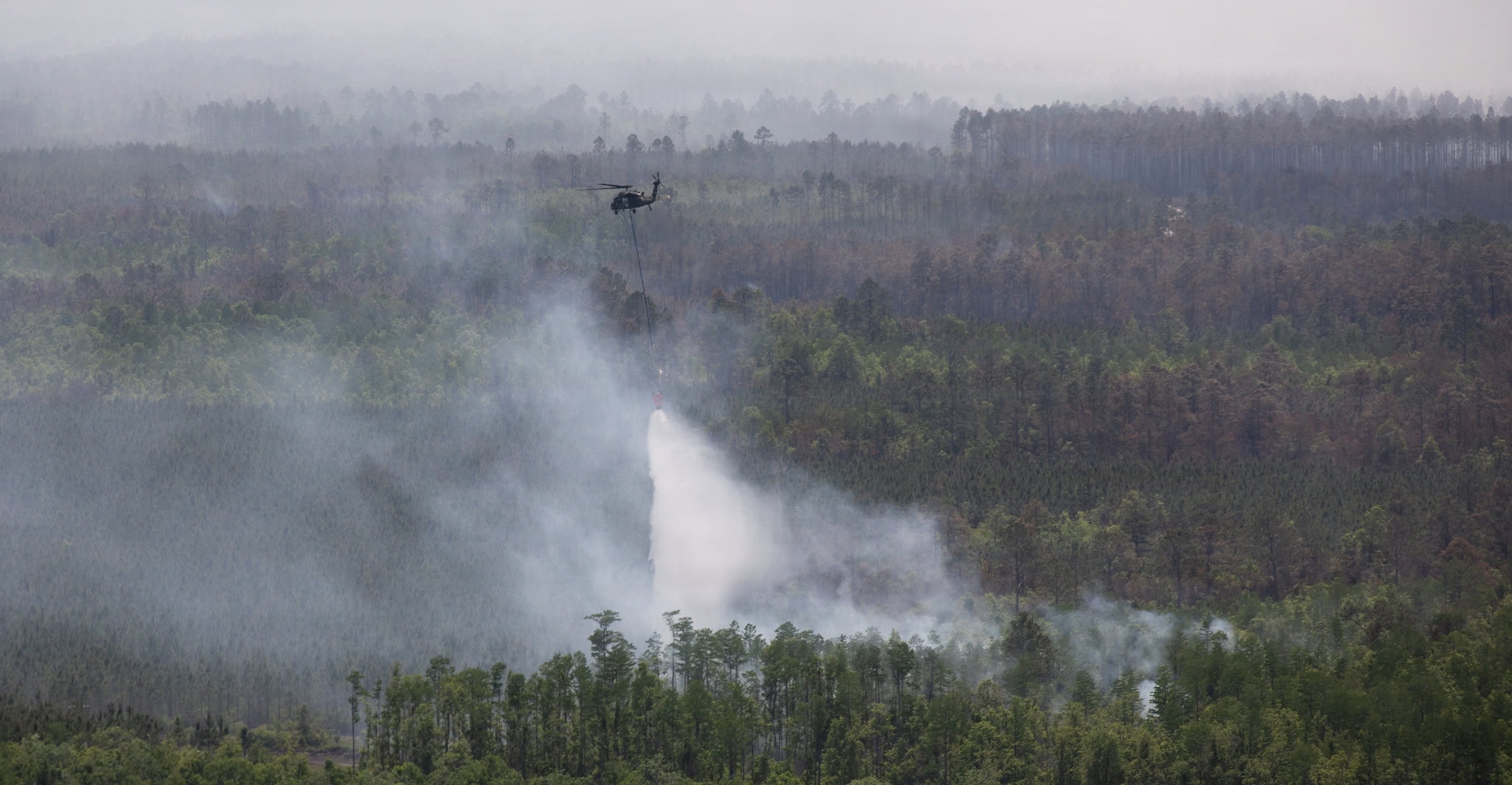
This spring, across southeastern Georgia and northern Florida, multiple wildfires have burned over 55,000 acres and destroyed more than 120 homes. Even now, some of these fires are still being fought across multiple jurisdictions. The Pineland Road and Highway 82 Fires are now among the most significant in terms of homes and structures lost. This highlights the need to prepare buildings for increasing wildfire risk in the same way they have long been designed for other natural disasters.
To many, the South has traditionally been defined by hurricanes, storm surges, and flooding. Homes, infrastructure, and even land management practices have largely evolved around those risks. Historically, the region’s high humidity and lush vegetation acted as a natural brake on fire behavior.
In a healthy, Southeastern ecosystems fire is natural and necessary. Longleaf pines for example rely on low-intensity surface fires to clear out the understory. Similarly, marshes and savannah rely on periodic fire to prevent woody shrubs from choking out native grassland habitats.
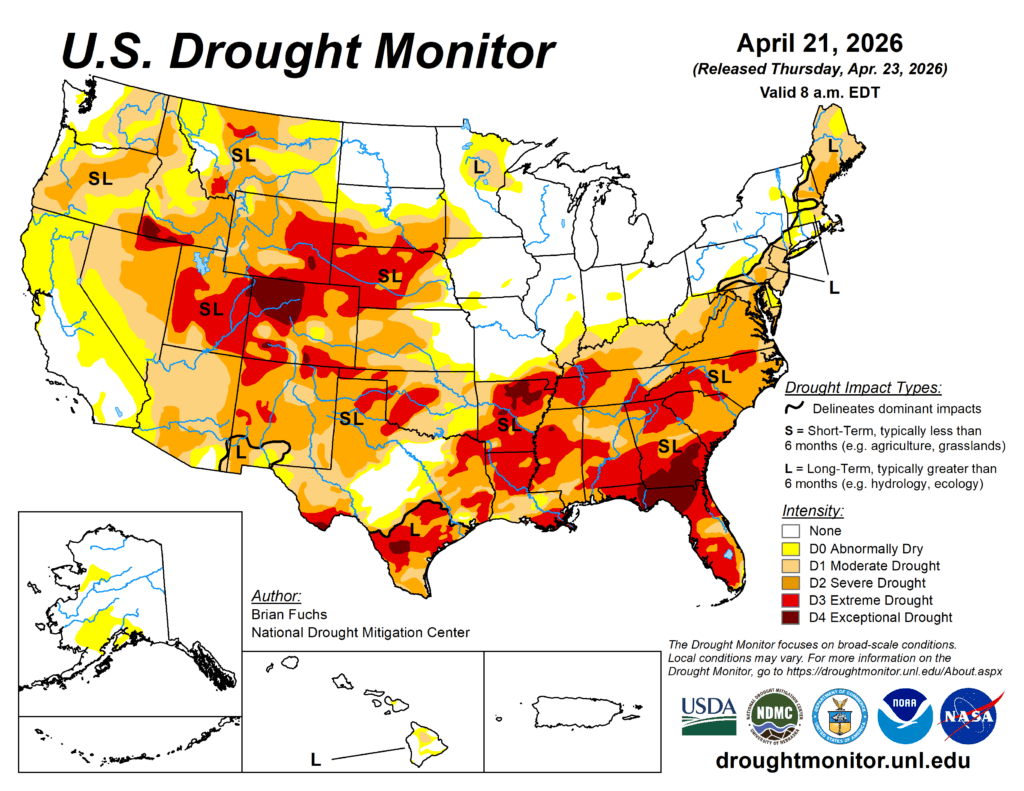
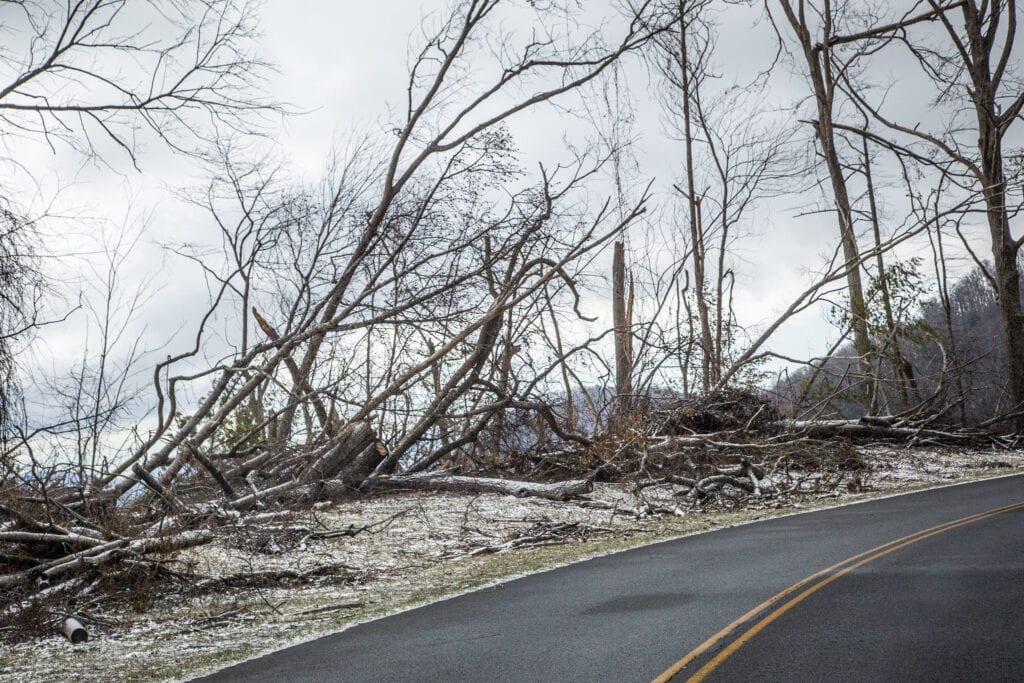
Drought is a recurring condition in all ecosystems, shaping how vegetation grows, cures, and ultimately returns to the system. In Georgia and northern Florida, prolonged dry conditions have intensified this seasonal pattern. Yet, all fuels are part of one continuous system that responds to weather, time, and disturbance. When a major hurricane, like Helene in 2024, brings down large amounts of timber, that material dries becoming part of the landscape’s fuel structure. Wildfire is one of the mechanisms ecosystems use to clear, reset, and renew heavy fuel loads that naturally accumulate.
The real question for communities is not how to stop nature’s processes but how to live with them.
The distance from our front doors to these connected fuel systems is shrinking. This is where fire behavior becomes dangerous for Southern homeowners. When multiple fires are moving through connected fuels across state lines, firefighting resources are stretched to their limit. At this scale, the first priority is saving lives and managing evacuations. Then, once people are safe, the effort is to “hold the line” but that becomes more difficult when the wind lofts embers miles ahead of the main front. However, living in a high-risk landscape doesn’t have to be a gamble.

Structure loss isn’t an inevitable part of living next to nature. Just as we’ve engineered coastal homes for 150-mph winds and retrofitted them for seismic zones, we must now apply that same rigor to wildfire. At Frontline, we’ve seen that the most effective way to protect a home is to give it the tools to defend itself. We saw this engineering in action during the recent fires in the Palisades, where homes equipped with proactive defense systems stood their ground.
Wildfire risk is increasing nationwide, as evidenced by the recent loss in Georgia and Florida. While we continue our work on the ground here in the West, these events reinforce our mission to redefine fire safety for everyone. We’re bridging the gap between fear and preparation, advocating for a new standard of resilience.
More from the Frontline Blog
All Posts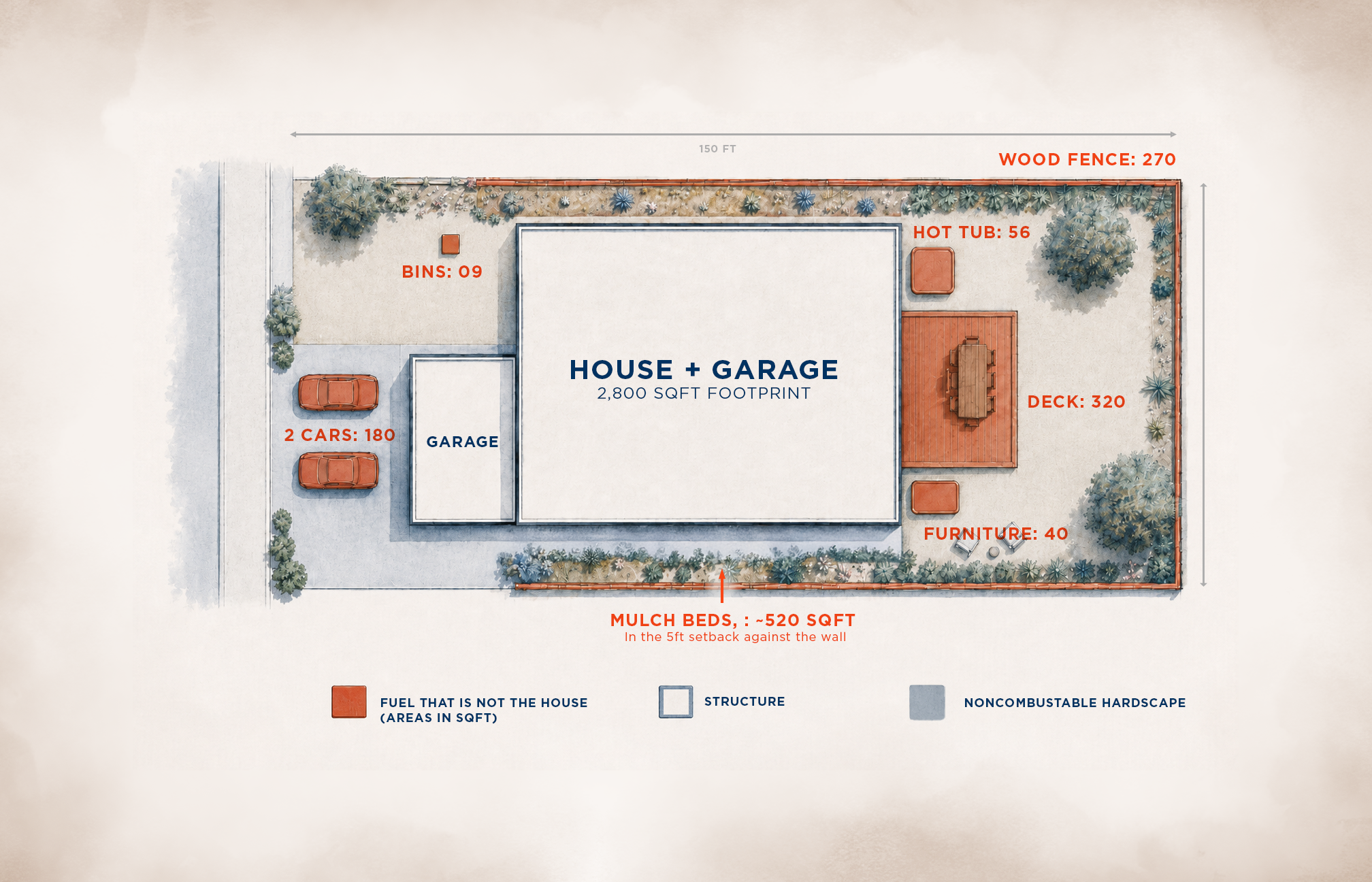
A Massive Gap in Passive Structure Hardening Virtually every wildfire expert agrees that wind-driven embers are the primary threat...
Every homeowner’s journey with Frontline begins with a conversation. For many, that conversation comes after experiencing a wildfire firsthand,...
Technology is changing what’s possible in wildfire protection. Now the challenge is helping people reimagine what’s possible and that’s...