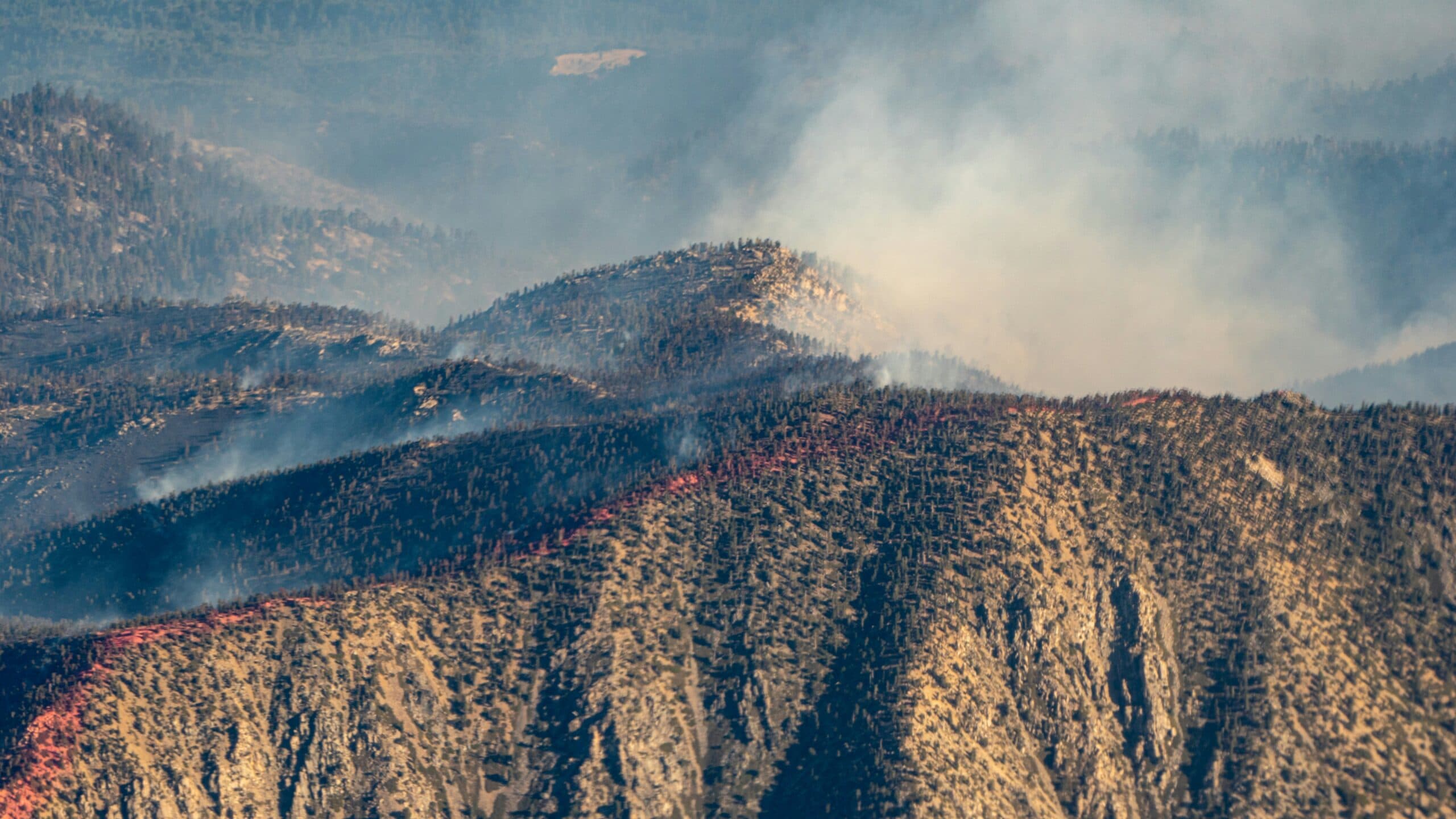
For the last century, wildfire risk followed a relatively predictable rhythm. Snowpack accumulated in winter, vegetation grew in spring, fuels dried through summer, and peak fire activity occurred in late summer and fall. That pattern allowed agencies to define “fire seasons” and communities to plan around them.
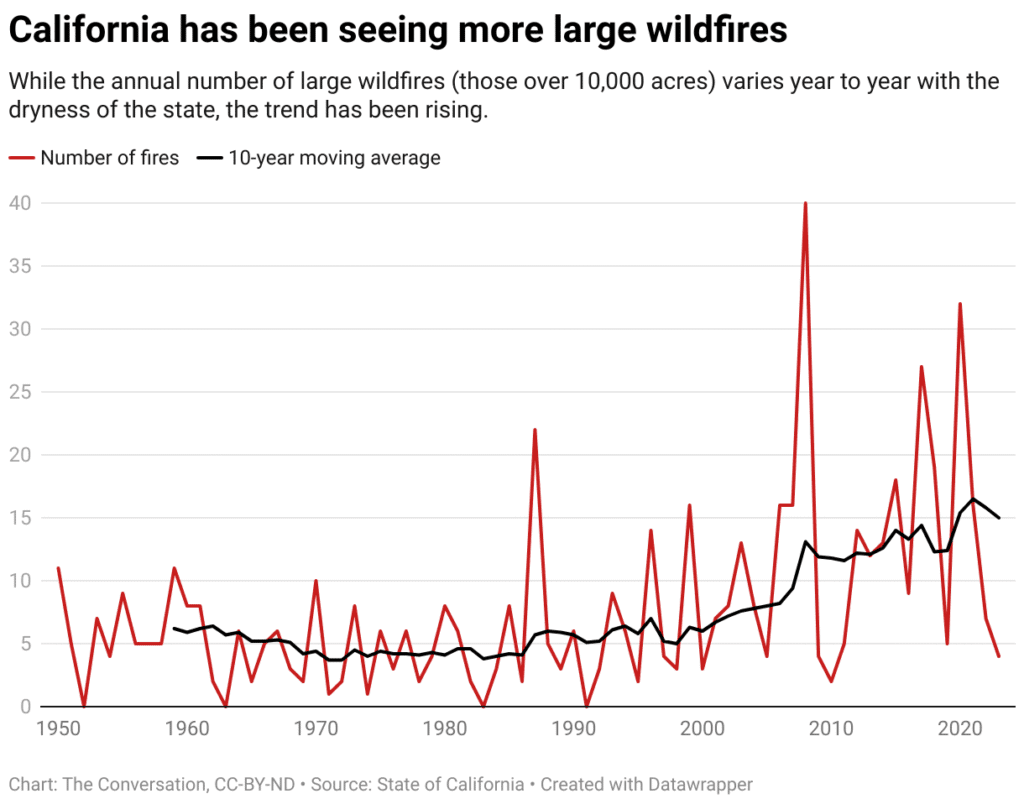
Today, that predictability is breaking down. Fires are igniting earlier, lasting longer, and appearing outside historical windows. A 2025 PBS report found that in California, fire season now starts at least a month earlier in most regions. In some northern mountain areas, up to 10 weeks earlier than in the 1990s. “California typically leads the nation in the number of wildfires, as well as the cost of wildfire damage. But the results also provide some insight into the risks ahead for other fire-prone parts of North America,” the report notes.
Rising temperatures and drier air are driving this shift, signaling a fundamental change in how we should name and think about wildfire risk.
How Fire Seasons Began: From Disaster to Policy
Wildfires have always been part of the landscape. Before humans altered the environment, fire moved naturally in response to lightning, seasonal drying, and fuel availability. These fires shaped forests, maintained open grasslands, and influenced wildlife. Indigenous communities also understood these patterns, often using fire as an ecological tool rather than treating it solely as a hazard.
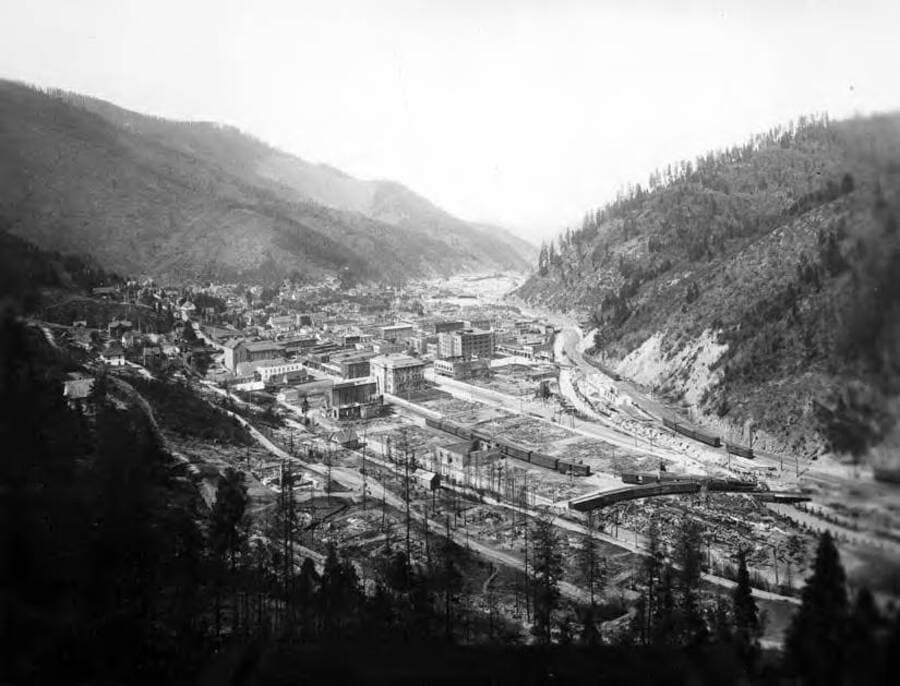
Modern “fire seasons” arose from disaster. The Big Burn of 1910 scorched roughly 3 million acres across Idaho, Montana, and Washington in just a few days, leveling towns and reshaping federal fire policy. Agencies began aligning staffing, equipment, and operations with the months historically prone to fires, creating a seasonal framework that persisted for decades.
Why Fire Doesn’t Follow a Calendar
A fire season isn’t a date on a calendar. It’s the period when the landscape can sustain and spread fire. Three factors historically determined when and how fire could move across the landscape:
- Fuel availability: Grasses, shrubs, and trees that accumulate over time provide material for fire.
- Fuel dryness: Vegetation must be dry enough to catch fire and sustain flames.
- Weather conditions: Lightning or human activity can start fires, but heat, low humidity, and wind determine how fast and far they spread.
All three of these factors are now shifting.
Decades of fire suppression have left fuels more abundant than historical levels. Rising temperatures, earlier snowmelt, and prolonged dry spells are drying vegetation sooner and keeping it flammable longer. Lightning and human activity provide more ignition opportunities, and extreme weather can trigger rapid fire spread outside the historical late-summer peak. The result is reduced predictability. As the LA Times observes, “The concept of fire as a season that can be predicted or a phase that will pass is outdated.” Communities now experience multiple high-risk windows annually. Conditions no longer cluster neatly into a few months, and landscapes repeatedly reach high-risk states throughout the year.
From Fire Season to Fire Year: A New Reality
The idea of a defined “fire season” made sense when risk followed a seasonal arc. But researchers and fire professionals increasingly say that framework no longer matches reality. Wildfire expert Toddi Steelman told Duke University, “We don’t have a fire season anymore; we have a fire year.”
A fire year doesn’t mean flames burn nonstop for twelve months. It means the conditions that allow fire to ignite and spread now recur throughout the year. Landscapes cycle through multiple periods of heightened risk: wet winters produce abundant fuel; prolonged heat, drought, or early snowmelt accelerate drying; heat waves and wind events create ignition opportunities. The pattern repeats.
Federal agencies are responding to this shift. What was once a four-month fire season in many parts of the country now lasts six to eight months. “Forest Service crews plan for wildfire year-round. They know that it isn’t a matter of if there will be a fire, but when… Residents who live in fire-prone areas must also plan and live in fire-adapted communities,” the USDA Forest Service notes.
Living With a Fire Year: How Homeowners Can Stay Prepared
The reality of fire years means resilience can no longer be seasonal. Homeowners and communities must stay prepared year-round. During large wildfire events, firefighting resources are often stretched thin and must prioritize life safety and evacuation efforts. This means homeowners should plan for their property to withstand wildfire exposure as independently as possible. Preparing a home to defend itself, reducing vulnerabilities before a fire arrives, has become an essential part of living in fire-prone regions.
Year-Round Steps to Reduce Fire Risk
- Harden your home with passive upgrades: Identify where embers are most likely to enter or accumulate and prioritize upgrades as part of ongoing maintenance.
- Maintain defensible space continually: Vegetation grows back and debris accumulates. Regular trimming and debris removal reduce opportunities for ignition and help limit fire intensity.
- Add active protection systems: Even the best passive upgrades can’t react when embers reach your home. Automated or remotely controlled systems respond immediately to wildfire threats, hydrating vulnerable areas and providing a protective layer that works even when daily life or maintenance can’t be perfect.
- Stay informed: Use apps and local resources to monitor fire activity, weather patterns, and drought conditions so you can act before risk escalates.
At Frontline, we recognize that wildfire risk no longer follows a calendar. That’s why our systems are designed to protect homes and neighborhoods year-round. Living with fire means designing landscapes, homes, and routines that reduce risk and keep people safe. Maintaining defensible space removes fuels that allow fires to spread, while active protection systems give homes the ability to defend themselves even when firefighters must focus on saving lives.
By preparing for wildfire consistently, rather than seasonally, communities can maintain safety and peace of mind no matter when the next fire arrives.
More from the Frontline Blog
All Posts
Dear Friends and Neighbors, As we mark the one-year anniversary of the January 7th fires, I want to take...
Zone 0 wildfire prevention has been getting attention across the state of California in recent years. Though it was...
Less than a year after wildfires destroyed thousands of homes across Los Angeles, the first rebuilt home in Pacific...