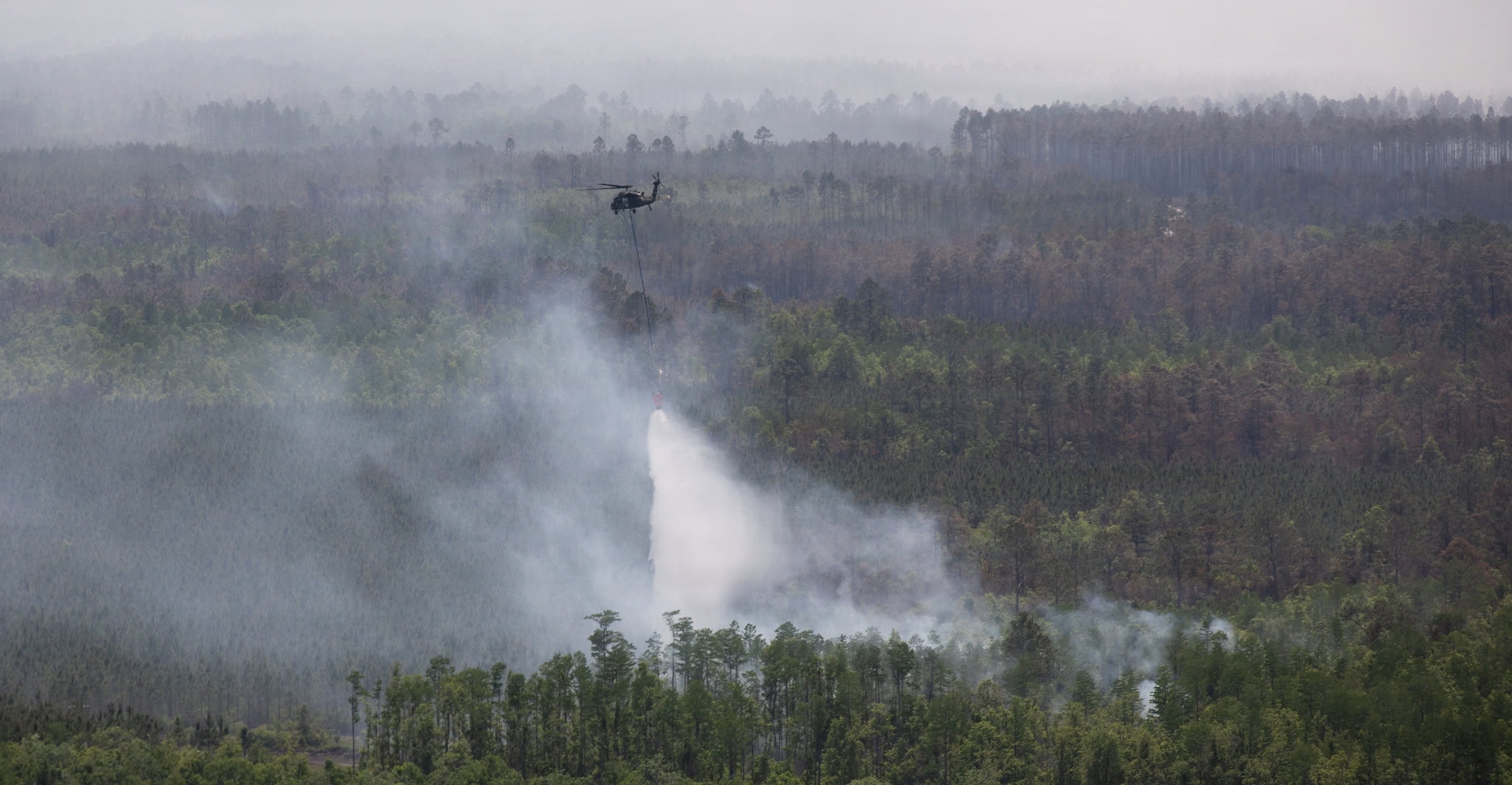
We often talk about wildfire as a “Western” problem but the reality on the ground is changing.
This spring, across southeastern Georgia and northern Florida, multiple wildfires have burned over 40,000 acres and destroyed more than 120 homes. For those living in the region, wildfire has arrived with a speed and aggression that mirrors the destructive fires of the Western US.
To many, this feels like an anomaly because risk in the South has traditionally been defined by water: hurricanes, storm surges, and flooding. Meanwhile wildfire had been a secondary concern because, historically, the region’s high humidity and lush vegetation acted as a natural brake. Now those natural buffers are being tested.
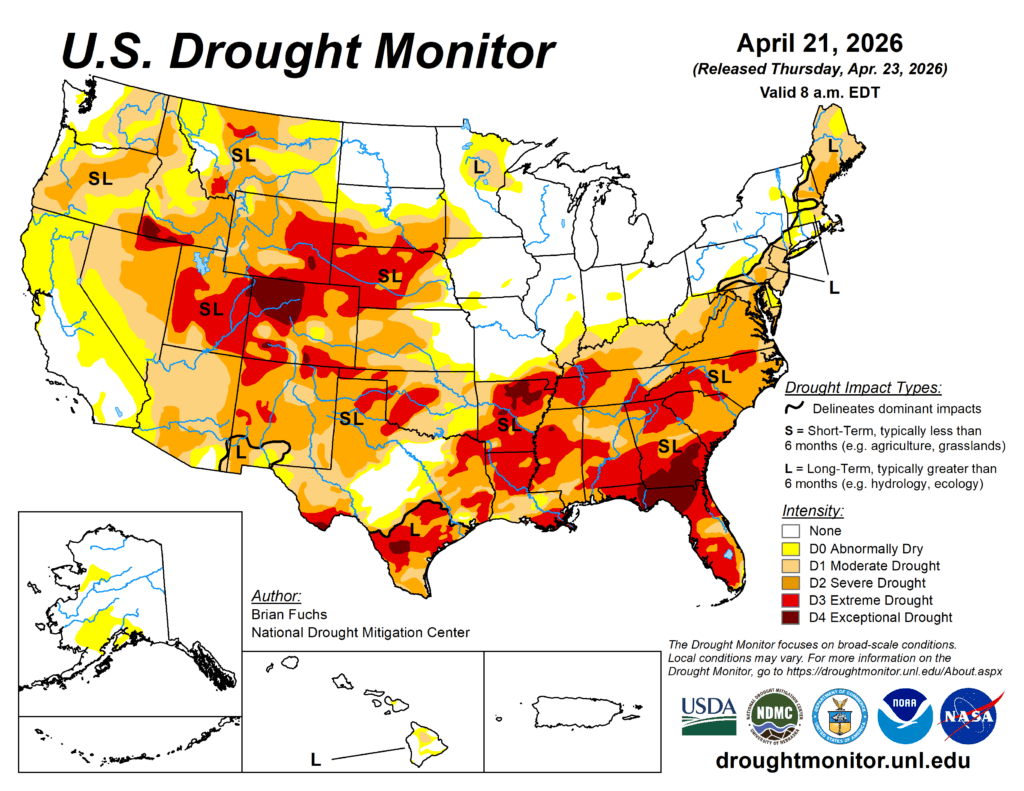
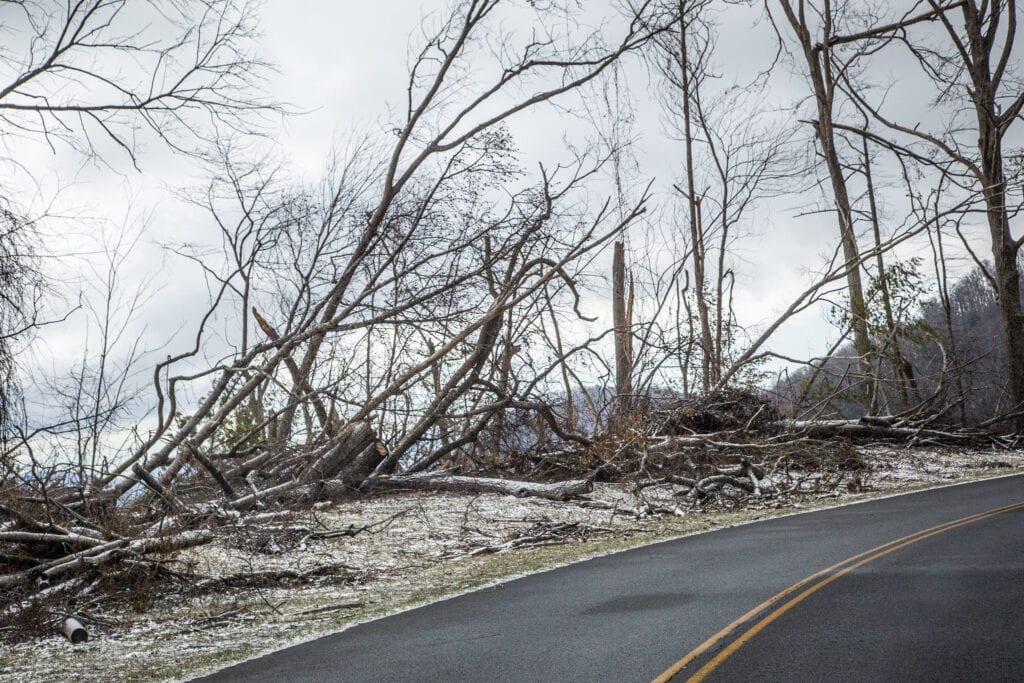
In a healthy, hydrated Southeastern ecosystem, fire is a natural and necessary tool. Longleaf pines for example rely on low-intensity surface fires to clear out the understory. Similarly, marshes and savannah rely on periodic fire to prevent woody shrubs from choking out native grassland habitats. However, the conditions for healthy fire change during a drought. When grasses, shrubs, and forests all dry out at once, the landscape loses its natural brakes and becomes one connected fuel system. And, in Georgia right now, we are seeing the cascading effect from one disaster into the next. Millions of tons of timber downed by Hurricane Helene have sat and cured into an additional, massive fuel bed. Which has allowed fire to move faster and farther.
Meanwhile, the distance from our front doors to these connected fuel systems is shrinking. This is where the Western-style fire behavior becomes dangerous for Southern homeowners. When multiple fires are moving through connected fuels across state lines, firefighting resources are stretched to their limit. At this scale, the first priority is saving lives and managing evacuations. Then, once people are safe, the effort is to “hold the line” but that becomes more difficult when the wind lofts embers miles ahead of the main front. However, living in a high-risk landscape doesn’t have to be a gamble.
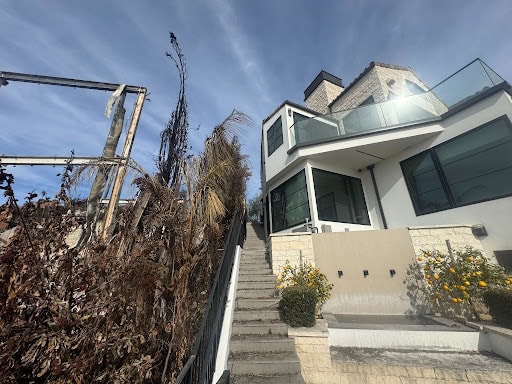
Structure loss isn’t an inevitable part of living next to nature. Just as we’ve engineered coastal homes for 150-mph winds and retrofitted them for seismic zones, we must now apply that same rigor to wildfire. At Frontline, we’ve seen that the most effective way to protect a home is to give it the tools to defend itself. We saw this engineering in action during the recent fires in the Palisades, where homes equipped with proactive defense systems stood their ground.
The fires in Georgia and Florida are a reminder that “fire country” is expanding and that risk is increasing nationwide but these events don’t have to be a gamble. We’re working to bridge the gap between communities and the natural role of fire, moving past the era where we simply hope for the best. By embracing a new standard of resilience, we can ensure that homeowners everywhere have the power to protect the places they love.
More from the Frontline Blog
All PostsGreat partnerships are built on shared standards. After decades of experience building high-end homes and ADUs across California, Kevin...
California’s latest natural catastrophe resiliency report lays out problems that are already visible on the ground. Wildfire losses are...
After a month shaped by fire weather, Colorado is showing that “wildfire season” isn’t following the calendar anymore. Recent...