The Growing Challenge of Protecting Homes
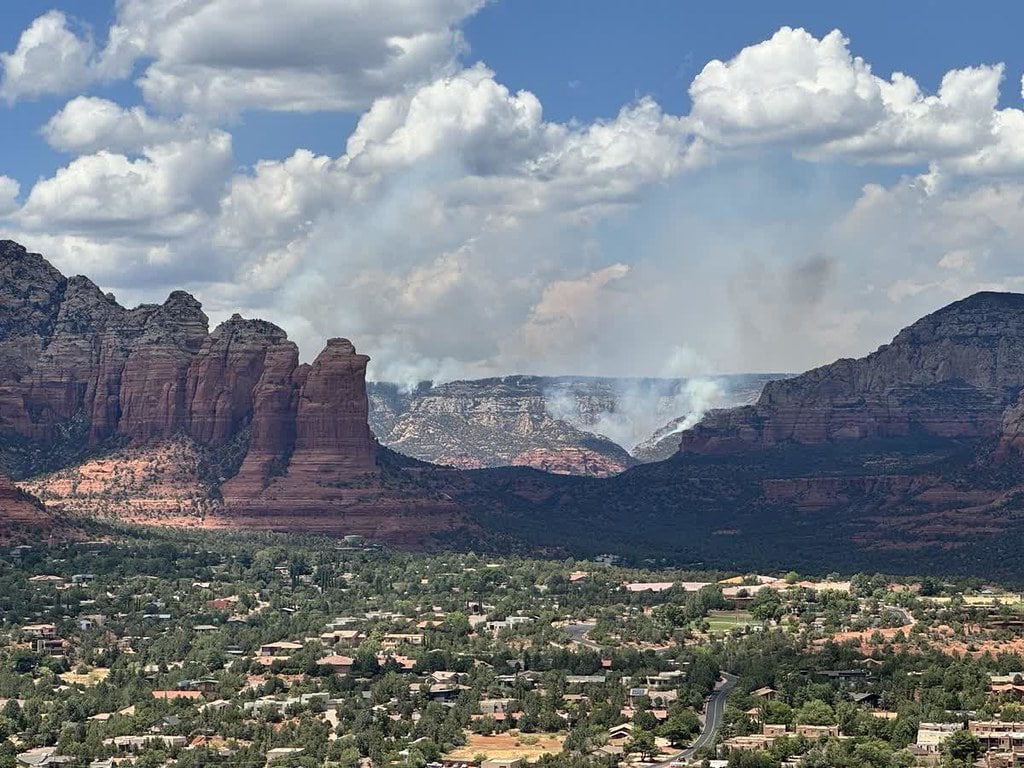
Looking across the West right now, fire activity in the Four Corners region offers a clear view of how quickly wildfire conditions can escalate. With major blazes burning simultaneously across Colorado, Utah, Arizona, and New Mexico, emergency response resources across state lines are being pushed to their limits.
This kind of widespread activity puts a severe strain on shared emergency infrastructure. It’s a stark reminder of why we build automated defense systems in the first place: even the best emergency response teams can’t be everywhere at once. For homeowners, true peace of mind comes from equipping a home to defend itself.
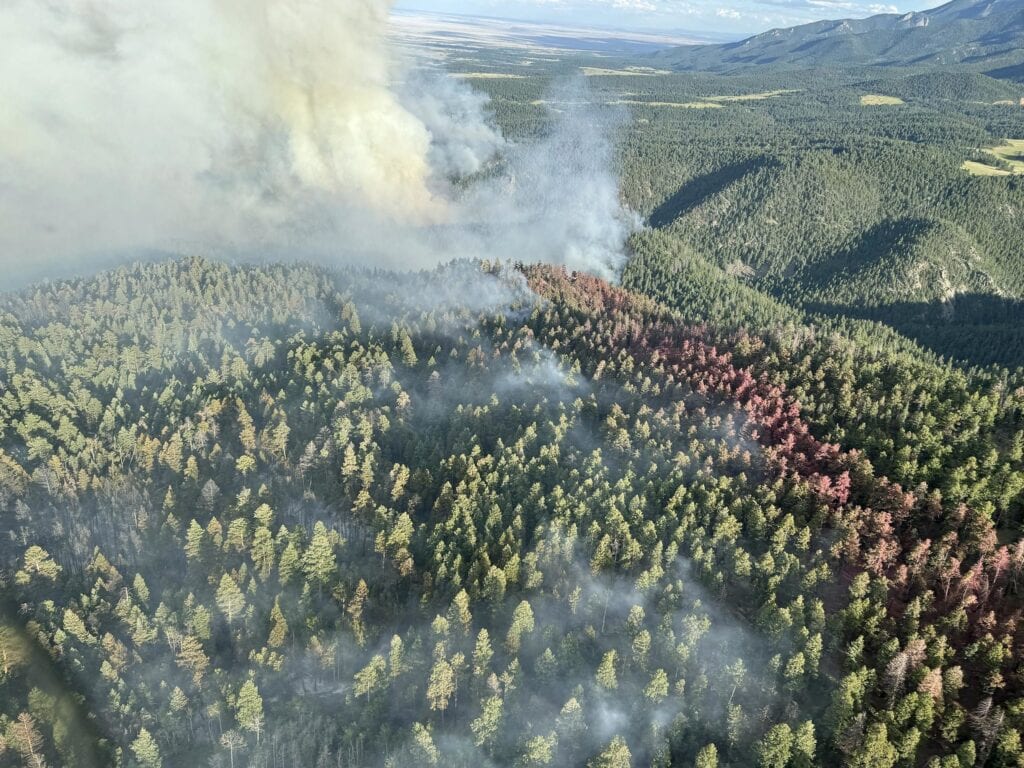
Colorado has become one of the most active wildfire regions in the country this summer. A prolonged stretch of hot, dry weather— including a July heatwave that pushed temperatures 10 to 15 degrees above average —has further dried vegetation and intensified fire conditions. After weeks of persistent Red Flag conditions, the Aspen Acres Fire ignited on June 29 in the San Isabel National Forest and spread rapidly through local communities. So far nearly 100,000 acres and over 700 structures have been lost making it one of Colorado’s most destructive wildfires in recent history. In addition, the Ferris Fire has burned more than 60,000 acres while over 900 personnel are working to contain the Gold Mountain Fire which has burned over 30,000 acres. These blazes demonstrate how fast wildfire conditions can escalate when extreme heat, dry fuels, and strong winds align.
Utah is facing a similar reality, where several large fires near rural communities are putting homes, businesses and infrastructure at risk. The Cottonwood Fire has grown to more than 90,000 acres while the Babylon Fire has passed 100,000 acres. While Utah hasn’t seen the same level of structure loss as Colorado this season, crews are working in difficult, hard-to-reach country where homes can stay under threat for days or even weeks. When conditions turn extreme, fire response resources have to prioritize where they can make the biggest impact.
When multiple large fires burn across a region at the same time, emergency response becomes a matter of scale and prioritization. Firefighters will always be the first line of defense, but they must focus first on protecting lives, evacuations, and the communities facing the greatest immediate threats. That reality reinforces an important shift in wildfire protection: homes need layers of defense that begin before emergency resources arrive.
That shift starts with understanding how homes are actually lost. While wildfire behavior continues to evolve, the primary threat to structures has remained remarkably consistent. Most homes are not destroyed by a direct wall of flames. They ignite when wind-driven embers land in vulnerable areas like roofs, gutters, vents, eaves, and surrounding vegetation ahead of the main fire front.
This is why wildfire protection is moving beyond reaction and toward preparation. Frontline’s autonomous wildfire defense system continuously monitors wildfire activity, automatically activates when a nearby threat is detected, and proactively protects the areas of a home most vulnerable to ember ignition even when homeowners have already evacuated.
Wildfire will always be unpredictable. But preparation can change how a home performs when a fire arrives. The fires burning across the Four Corners remind us that while we can’t control wildfire, we can control how well our homes are prepared for it.
More from the Frontline Blog
All Posts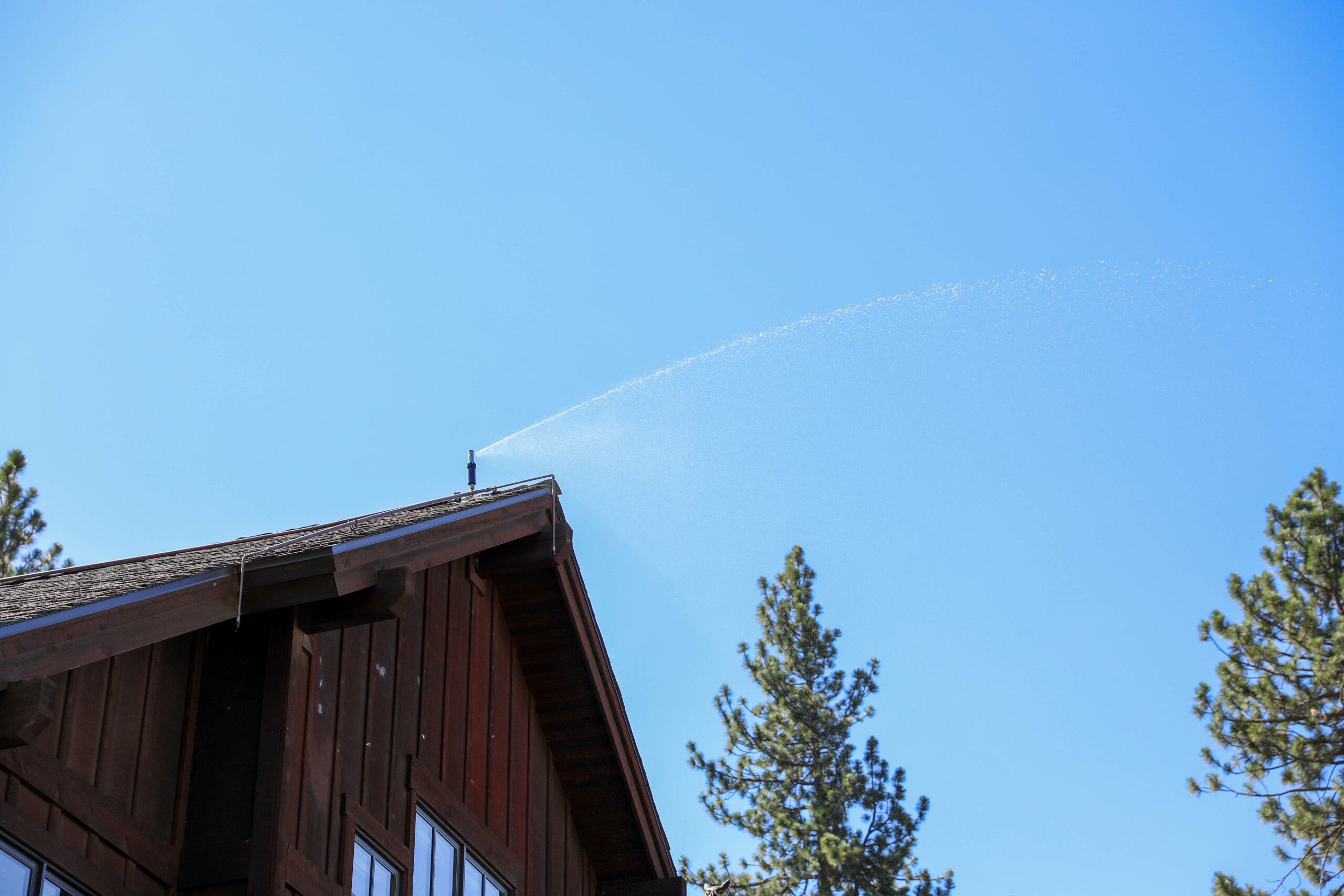
When living in a wildfire-prone region, protecting what matters most requires more than just standard preparation. Golden Bear Solar...
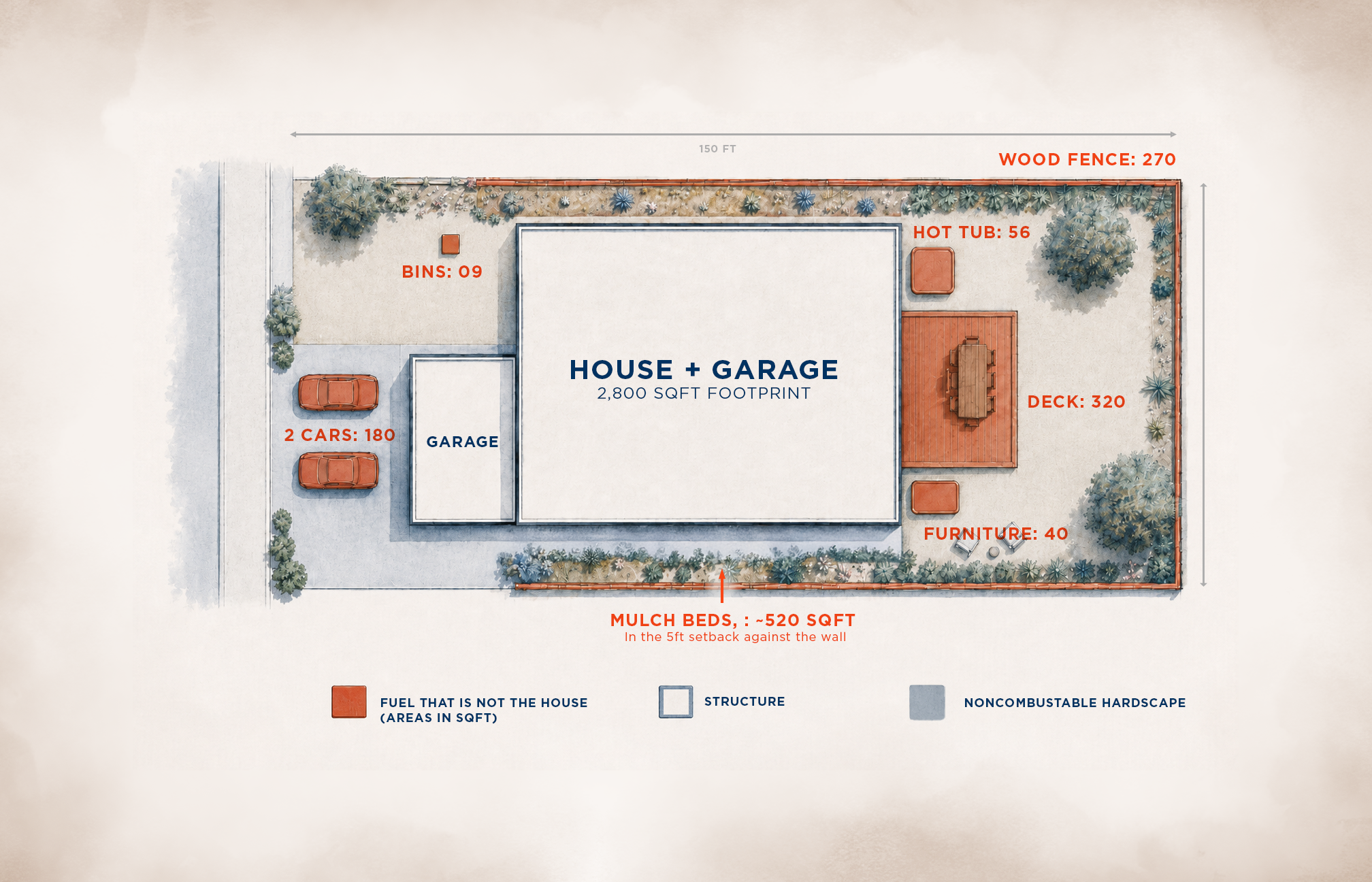
A Massive Gap in Passive Structure Hardening Virtually every wildfire expert agrees that wind-driven embers are the primary threat...

Every homeowner’s journey with Frontline begins with a conversation. For many, that conversation comes after experiencing a wildfire firsthand,...